













Thin-Wall LSR Overmolding: Molding Difficulties and How to Solve Them


Where Thin-Wall Molding Hurts
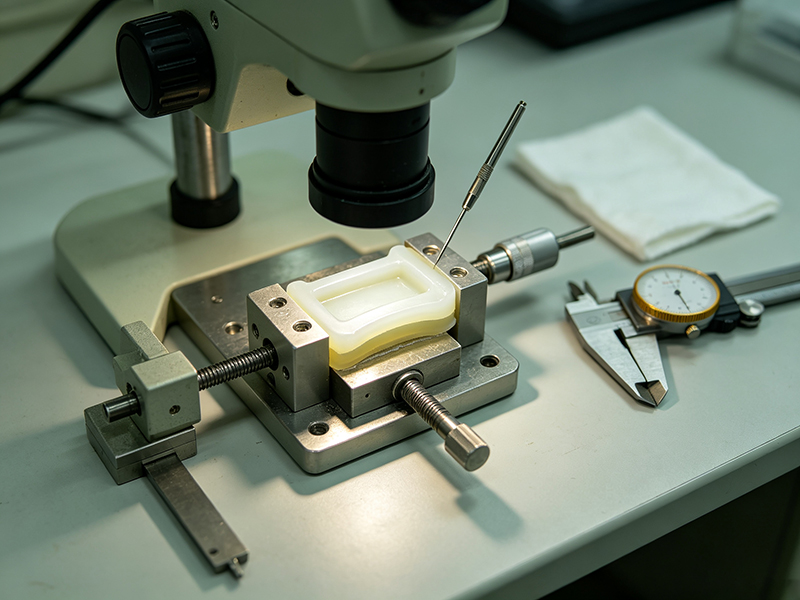
Medical devices are often designed with thin-wall silicone overmolding layers. The silicone layer is thin and the material has to travel a long way, so short shots and premature curing show up easily — leaving short fills and patches where the layer is too thin.
Runners and Gates
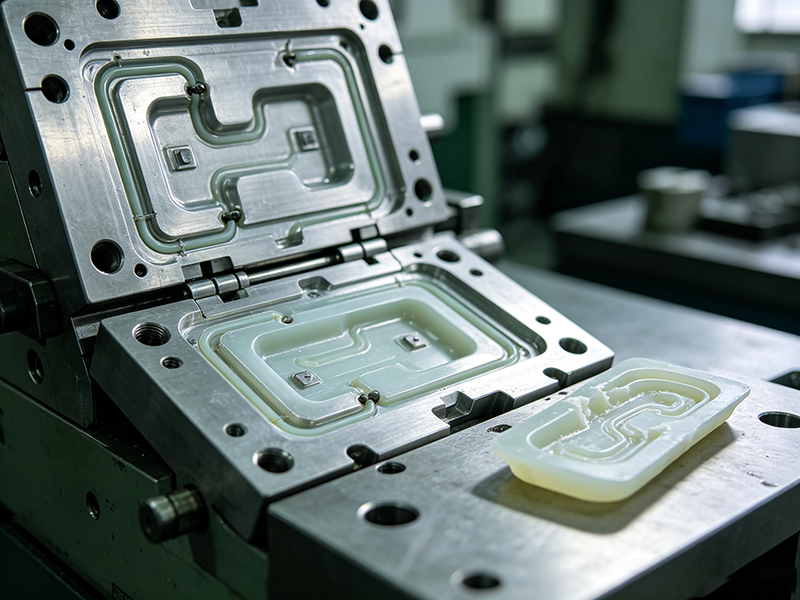
Gate position acts directly on thin-wall filling. Put the gate as close to the thin-wall area as you can to shorten the flow path, and design the cold runner properly so the compound does not heat up and start curing inside the runner.
Structural Optimization
At the design stage, avoid local spots where the silicone layer gets too thin, and give it sensible transition fillets. Sharp corners concentrate stress — they not only make filling harder, they also leave the silicone prone to cracking when the part is flexed later in service.
Process Matching
For thin-wall parts, raise injection speed moderately and match it with a sensible mold temperature — but do not let mold temperature run high, or the compound will cure before it reaches the thin-wall area. After sampling, check silicone layer thickness uniformity closely.
Table of Contents

Get Your Custom Liquid Silicone Overmolding Solution in 3 Steps
Learn More

