













Practical Experience Commissioning LSR Mold and Material Temperature


Why These Parameters Matter
Liquid silicone is a thermosetting material, so mold temperature and material temperature together decide how well crosslinking and curing go. When they fall out of balance, bubbles, under-cure, sticking in the tool and heat distortion of the rigid substrate all follow.
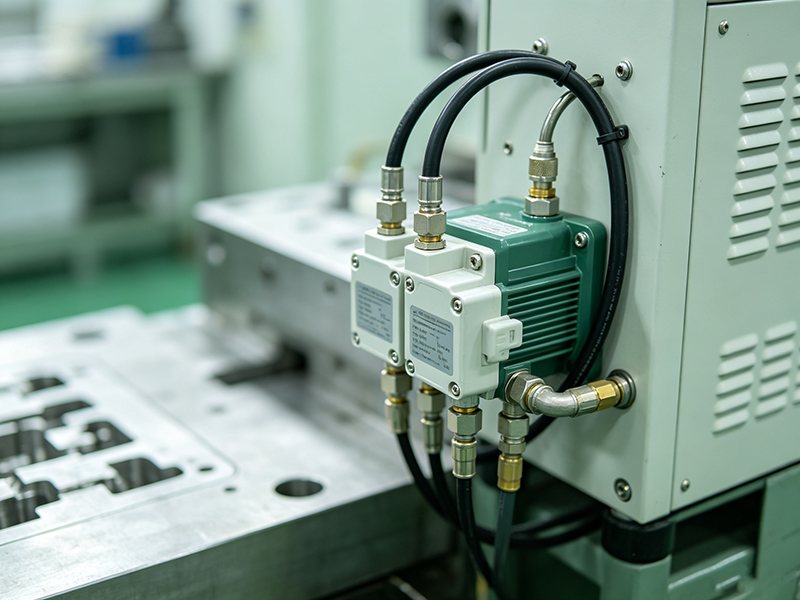
Mold Temperature
Tool temperature for medical LSR overmolding has to serve both silicone curing and the heat tolerance of the rigid substrate. Too low and the silicone does not fully cure, leaving a tacky surface. Too high and PC or ABS substrates distort under heat, pushing dimensions out of tolerance — at which point the dimensional accuracy of the medical part fails outright.
Material Temperature
Material temperature before injection governs flow. Too cold and flow is poor, so thin walls starve and trap air. Too hot and the compound starts to pre-cure, blocking the nozzle and stopping production.
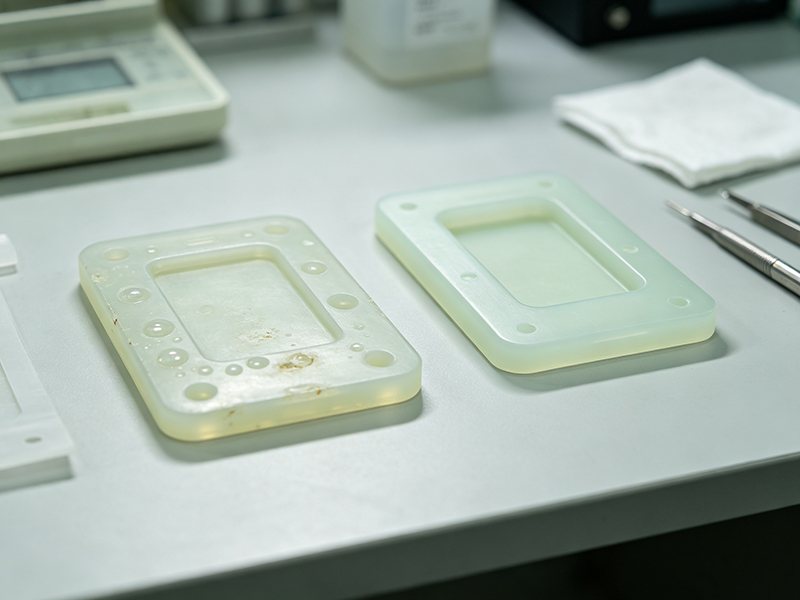
Commissioning Principles
Commission a new project step by step. Raise mold temperature only as far as the substrate still holds its shape. Set material temperature against wall thickness. After sampling, run a peel test, and only move to small-batch trial production once curing and interfacial bond strength both pass.
Table of Contents
Related News

Get Your Custom Liquid Silicone Overmolding Solution in 3 Steps
Learn More

