













How LSR Precision Overmolding Reduces Assembly Risk in Medical Products


Where the Process Is Heading
The LSR precision overmolding process has become the core manufacturing route for avoiding medical product assembly risk and raising product quality. Compared with conventional rubber assembly and standard lamination, medical-grade LSR liquid silicone brings excellent biocompatibility, high and low temperature resistance, waterproof and corrosion resistance, and long-term stability, and adapts to the manufacturing of all kinds of medical devices, wearable health instruments and precision therapy products.
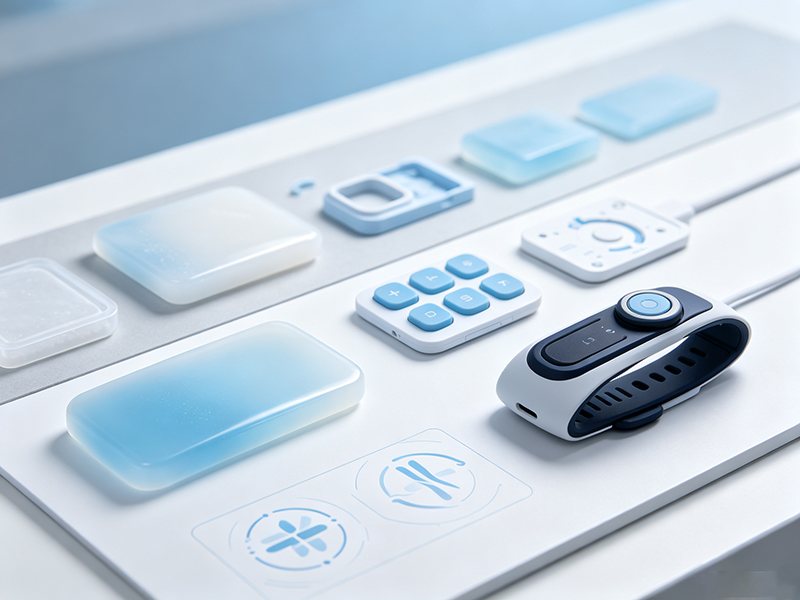
Pain Points in Medical Assembly
Medical products are worn close to the body for long periods and disinfected frequently, which puts very high demands on assembly accuracy and structural stability. Conventional split assembly and adhesive lamination easily produce weak bonds, dimensional deviation and dirt-trapping gaps — they cannot meet the demanding production standards of high cleanliness, high stability and long service that medical products require, and they carry serious assembly and in-use risks.
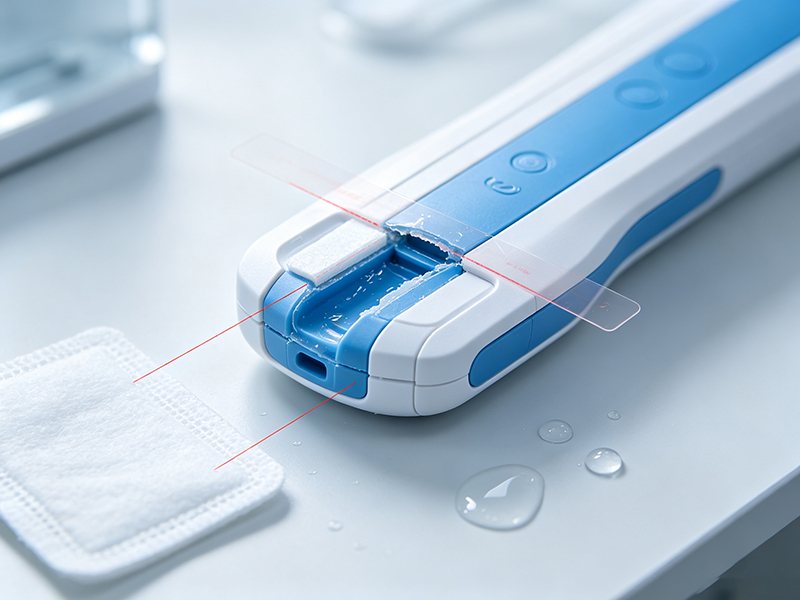
Process Advantages Over Alternatives
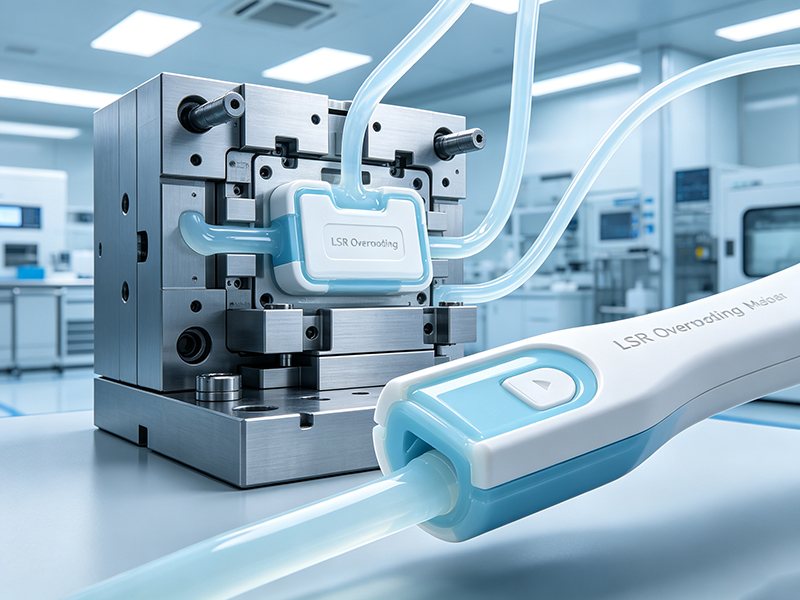
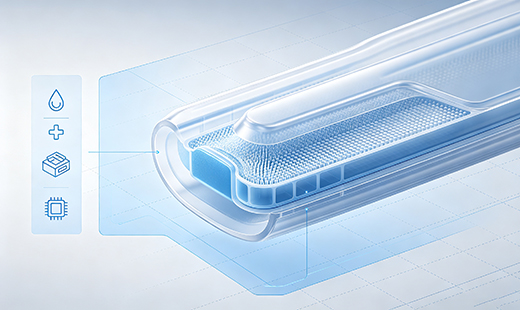
Built on LSR Overmolding precision two-shot molding, silicone and rigid substrates such as PC, ABS and stainless steel are injection molded as one piece, with no post-process gluing or assembly. This removes most assembly steps and eliminates at the root the common risks of debonding, shifting, loosening and water seepage. Precision tooling design and standardized parameter control then reduce flash, short shots and dimensional drift, keeping assembly consistent from part to part.
Value to the Industry
As the smart medical device industry grows fast, the demand for finer, more reliable products keeps rising. Medical-grade LSR precision overmolding optimizes the assembly structure and avoids process defects, which lifts volume stability and service life, helps brands improve quality and cut after-sales risk, and meets the delivery standards of high-end medical devices.
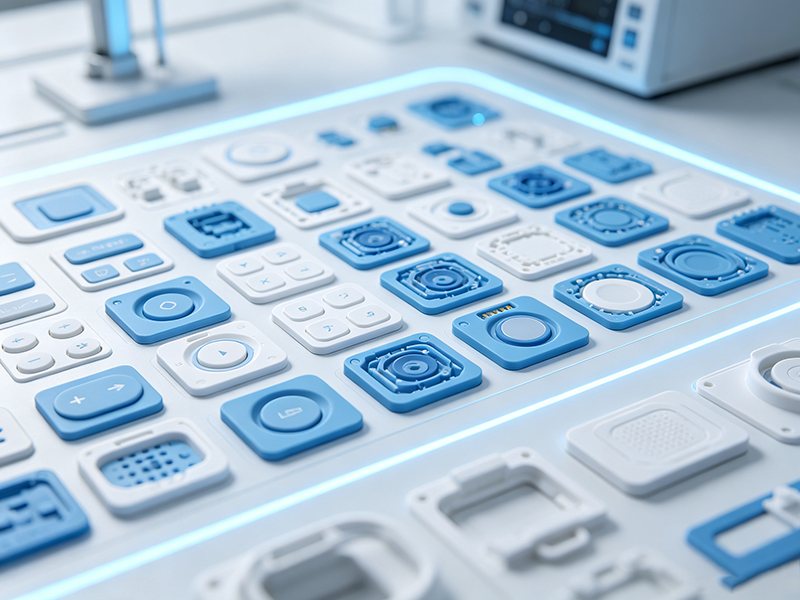
Table of Contents


Get Your Custom Liquid Silicone Overmolding Solution in 3 Steps
Learn More

