













Cleanroom Requirements for Medical-Grade LSR Overmolding


The Push Toward Clean Production
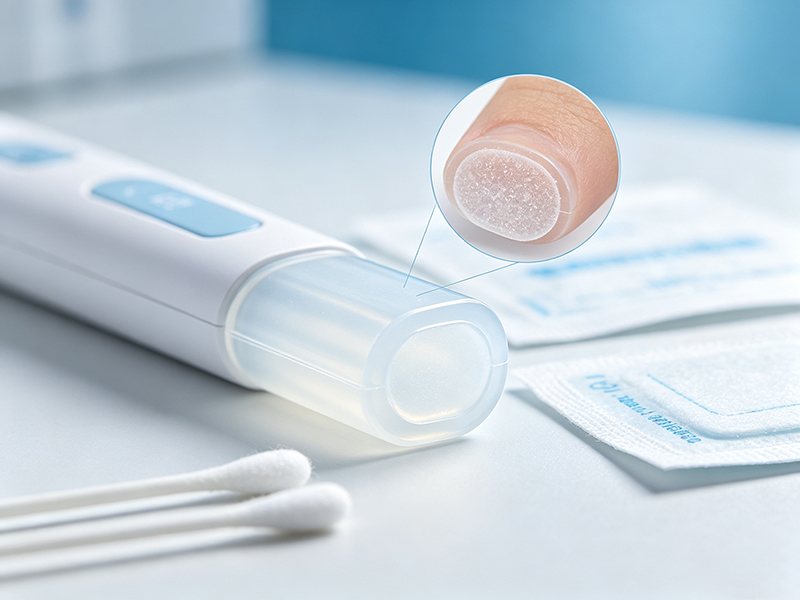
Clean production for medical-grade LSR overmolding is a hard requirement and a clear trend in high-end medical silicone manufacturing. Thanks to excellent biocompatibility, temperature and corrosion resistance and waterproof stability, LSR liquid silicone is used widely in medical devices, wearable medical products and precision health instruments — and what secures the medical grade of the finished part is a standardized clean production system.

Why Cleanrooms Are Non-Negotiable
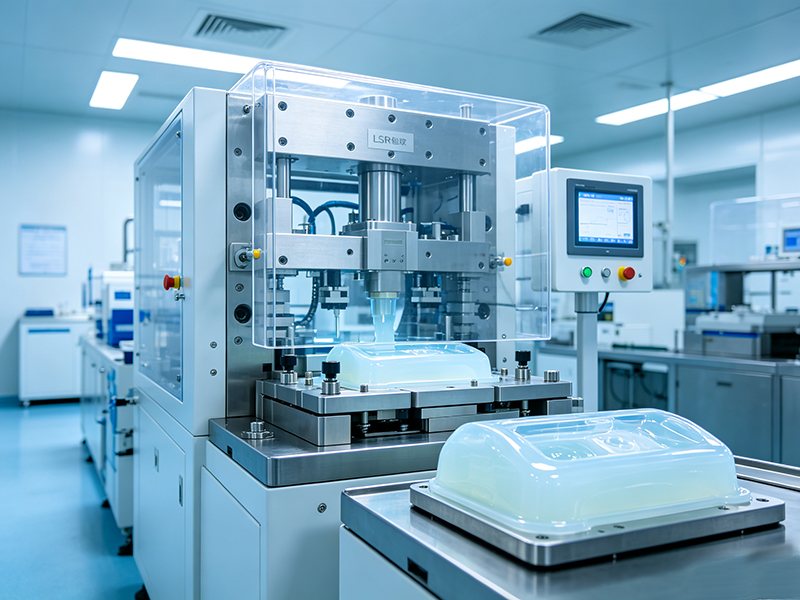
Medical-grade LSR overmolding has to run in a dedicated cleanroom, with tight control over ambient temperature and humidity, airborne particles and microbial counts. Pairing it with one-piece LSR Overmolding also cuts assembly steps and reduces the risk of secondary contamination. Cleanroom treatment of precision tooling, accurate control of production parameters and standardized disinfection of personnel and equipment keep impurities, blemishes and contamination out at the source, protecting dimensional accuracy and cleanliness consistency.
What It Delivers to the Industry
Unlike conventional adhesive assembly, one-piece LSR Overmolding simplifies device assembly and resolves the structural problems — debonding, shifting, loosening — that wearables develop over long service. Precision tooling design, accurate process parameter control and full-process traceability eliminate flash, short shots and dimensional deviation, markedly improving volume precision and service life for wearable medical devices.
Where the Market Is Going
As quality and compliance standards across the medical device industry keep rising, clean production has become the core competitiveness of medical-grade LSR overmolded parts. Standardized clean processes lift medical safety, stability and durability, help brands meet medical certification, and support the volume delivery needs of high-end smart medical devices.
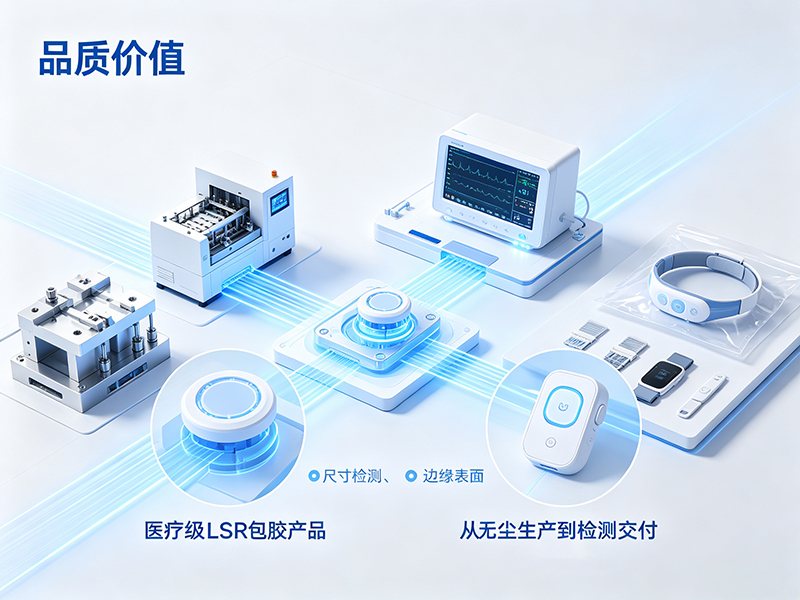
Table of Contents


Get Your Custom Liquid Silicone Overmolding Solution in 3 Steps
Learn More

