













How LSR Overmolding Handles Complex Micro Structures


Where the Industry Is Heading
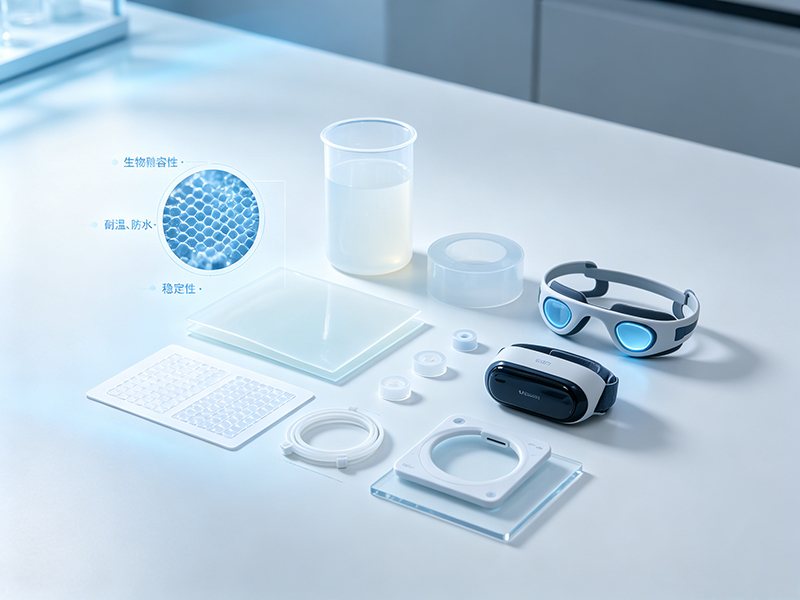
LSR overmolding for complex micro structures has become a key development direction in medical-grade liquid silicone manufacturing. Against conventional rubber and standard overmolding, LSR liquid silicone brings excellent biocompatibility, high and low temperature resistance, waterproofing and long-term stability, and is used widely across medical devices, therapy products, smart health devices, wearable electronics and precision electronic components.
What Medical Use Demands
Medical products often stay in prolonged contact with human skin and are repeatedly exposed to alcohol, sweat and all kinds of cleaning agents, which sets a demanding bar for material stability, dimensional accuracy and volume consistency. LSR precision overmolding builds a firmly bonded, flexible silicone layer on rigid substrates such as PC, ABS, PA and stainless steel, combining waterproofing, dust protection, cushioning, grip and a soft-touch feel in a single part.
Process Advantages Over Alternatives
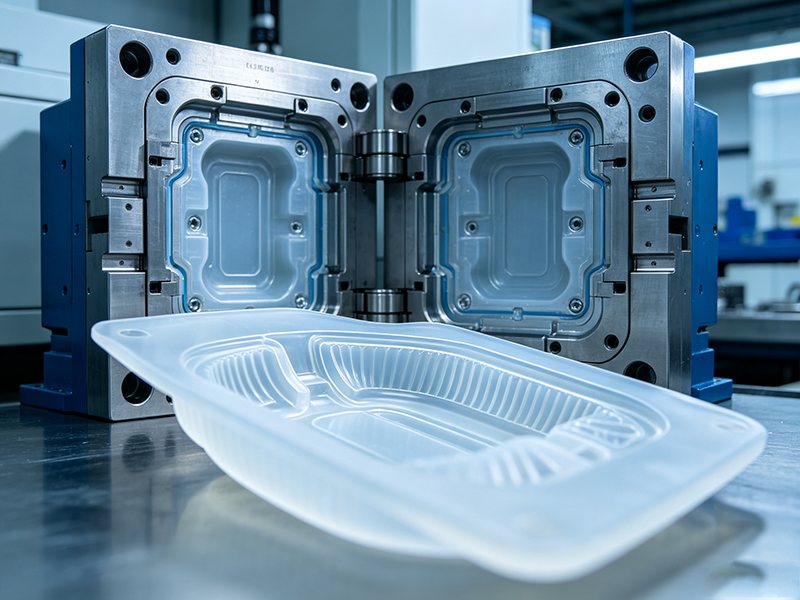
Against conventional adhesive bonding, LSR Overmolding (liquid silicone two-shot molding) simplifies assembly, sharply cutting the structural risks of debonding, misalignment and long-term failure. Working alongside precision tooling design, controlled molding parameter windows and a complete production traceability system, it keeps flash, short shots and dimensional deviation under control — raising yield and long-term reliability in medical sensor encapsulation.
Adoption Trends
As the market for smart medical devices and health electronics keeps expanding, more and more brands are choosing medical-grade LSR precision overmolding to lift product feel, strengthen functional reliability and improve the long-term end-user experience.
Table of Contents

Get Your Custom Liquid Silicone Overmolding Solution in 3 Steps
Learn More

