













Why Medical Devices Rely More and More on LSR Precision Overmolding


Anchor: Material Strengths
1. Where Material Strengths Show
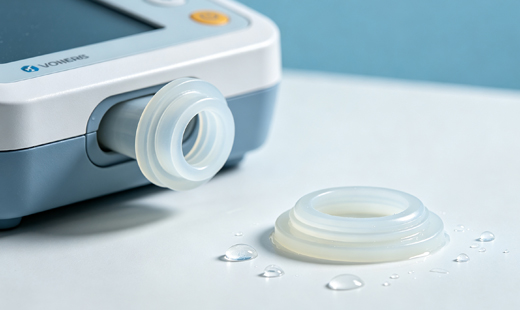
LSR precision overmolding is becoming a key direction in medical-grade liquid silicone manufacturing. Against conventional rubber and standard overmolding, LSR (liquid silicone rubber) delivers superior biocompatibility, high and low temperature resistance, waterproof performance and long-term stability, so it is widely used across medical devices, therapy products, smart health devices, wearable electronics and precision electronic components.
Its core material strengths come down to four points:
Biocompatibility — meets medical-grade contact standards and suits prolonged skin contact.
Wide temperature range — withstands high-temperature sterilization and low-temperature environments with stable performance.
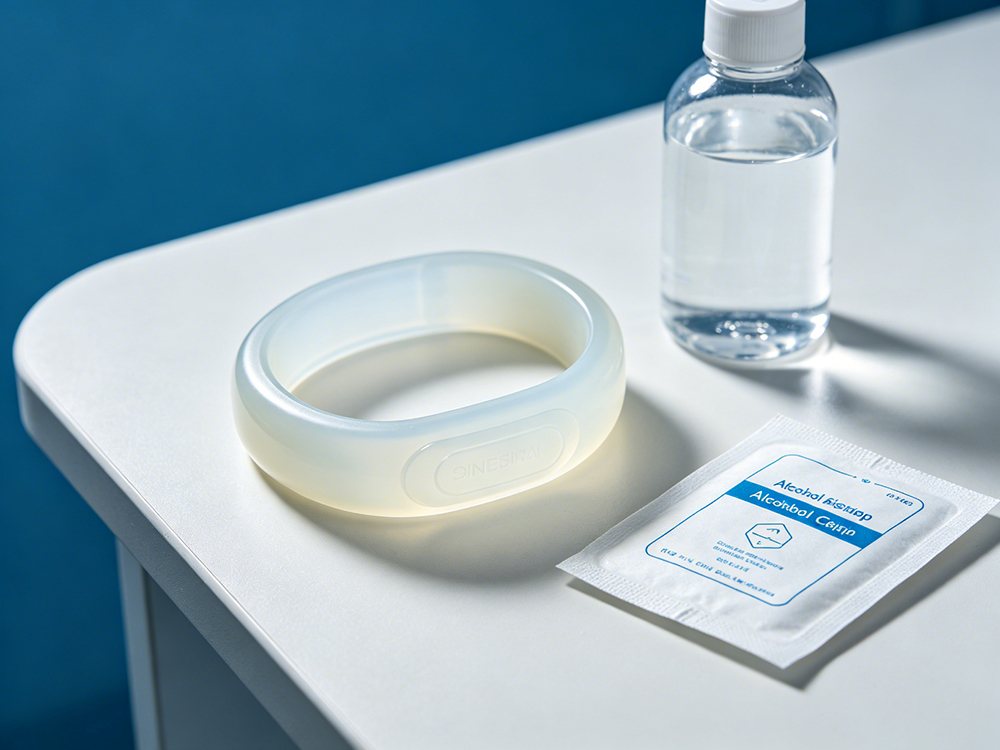
Waterproof and chemical resistant — stands up to repeated exposure to alcohol, sweat and cleaning fluids.
Long-term aging resistance — resists yellowing and cracking, giving a longer service life.
Anchor: Application Needs
2. Demanding Application Scenarios
In the medical field, products usually stay in prolonged contact with human skin and are repeatedly exposed to alcohol, sweat and cleaning fluids, so the requirements on material stability, dimensional accuracy and batch-to-batch consistency are demanding.
LSR precision overmolding forms a stable, flexible silicone layer directly on rigid substrates such as PC, ABS, PA and stainless steel, delivering several functions at once:
Waterproof and dustproof — sealing protection for complex service environments.
Cushioning — absorbs impact and protects internal precision components.
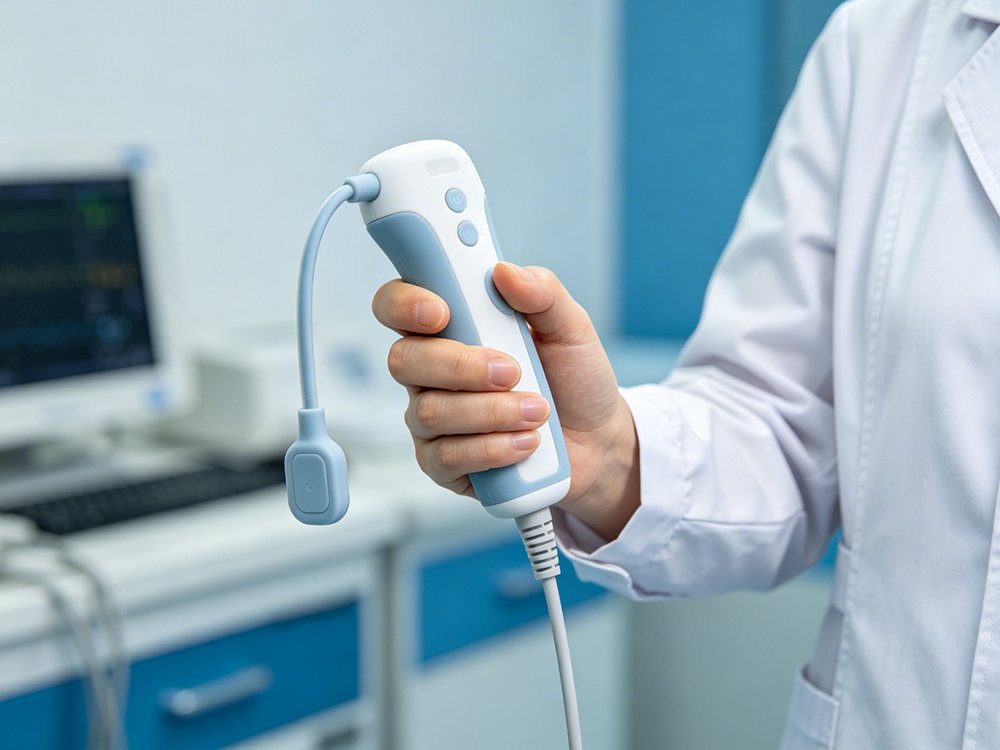
Non-slip grip — steadies handheld medical devices during operation.
Soft touch — improves the experience for both patients and clinicians.
Anchor: Process Upgrade
3. Precision Process Assurance
Compared with conventional adhesive bonding, LSR Overmolding (liquid silicone two-shot molding) cuts assembly steps and lowers the structural risks of debonding, shift and long-term failure.
Three layers of control then keep flash, short shots and dimensional drift in check:
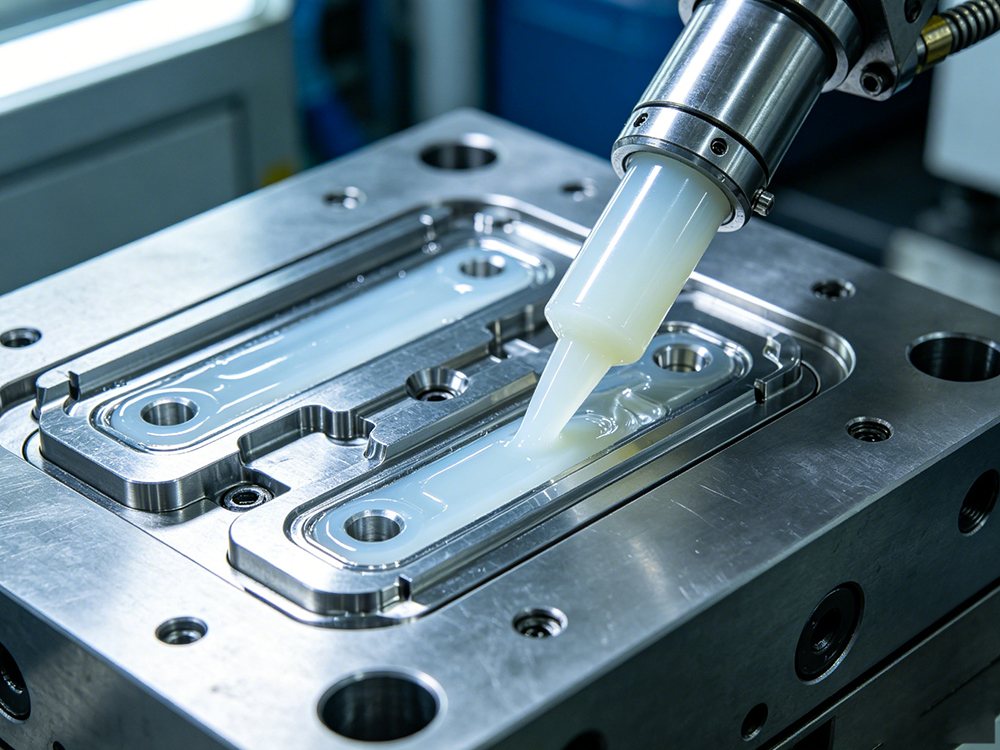
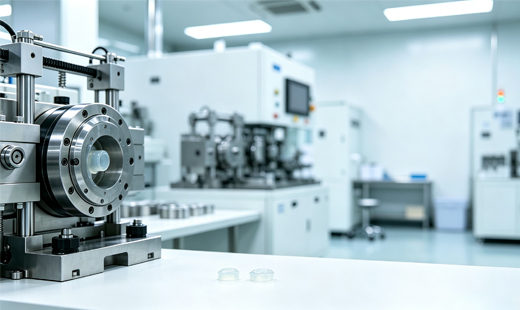
Precision tooling design — high-accuracy cavities and runner layout ensure even silicone fill.
Process window control — temperature, pressure and injection speed held precisely for stable curing.
Full-process traceability — parameters for every batch are recorded and traceable, securing volume consistency.
This is why LSR precision overmolding clearly outperforms conventional processes on both volume stability and long-term reliability.
Anchor: Market Trends
4. Industry Trends Pointing Up
As the market for smart medical devices and health electronics keeps growing, more and more brands are adopting medical-grade LSR precision overmolding to improve perceived quality, functional reliability and the long-term user experience.
From one option among many to a core competitive advantage, LSR precision overmolding is reshaping the manufacturing standard for medical-grade silicone parts. For brands chasing differentiation and reliability, building LSR precision overmolding capability early will be a decisive step in the next round of product upgrades.
Table of Contents

Get Your Custom Liquid Silicone Overmolding Solution in 3 Steps
Learn More

