













Why LSR Overmolding Suits Wearable Medical Devices


Industry Fit and Trends
LSR overmolding has become a core technology direction in wearable medical device manufacturing. Against conventional rubber and standard overmolding, medical-grade LSR material offers better biocompatibility, high and low temperature resistance, waterproof sealing and long-term stability, closely matching the production needs of smart wearable medical, health monitoring and wearable therapy devices.
Meeting the Demands of Wear
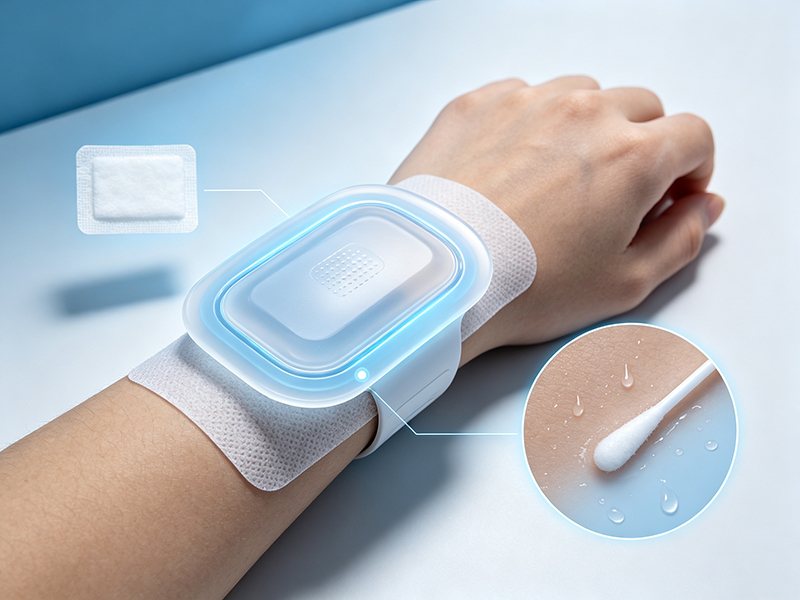
Wearable medical devices are worn against the body for long stretches, stay in continuous contact with sweat, and need frequent wiping with alcohol and cleaning fluids — which puts demanding requirements on material safety, corrosion resistance and fit. LSR precision overmolding forms a dense, flexible silicone layer on rigid substrates such as PC, ABS, PA and stainless steel, making devices waterproof, dustproof, non-slip and shock absorbing, while giving them a skin-friendly feel.
Core Process Strengths
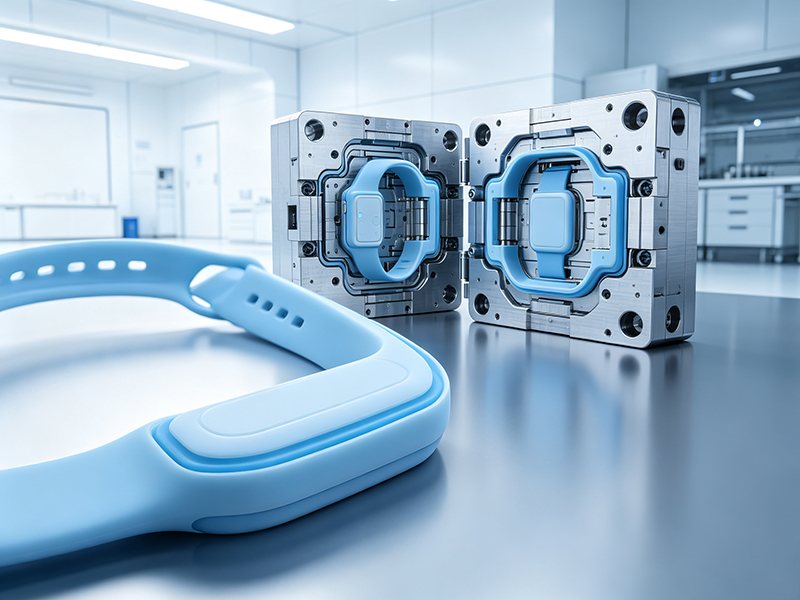
Unlike conventional adhesive assembly, one-piece LSR Overmolding simplifies device assembly and resolves the structural problems — debonding, shifting, loosening — that wearables develop over long service. Precision tooling design, accurate process parameter control and full-process traceability eliminate flash, short shots and dimensional deviation, markedly improving volume precision and service life for wearable medical devices.
Where the Market Is Going
As markets for smart health monitoring and portable therapy wearables rise quickly, users keep raising the bar on comfort, safety and durability. Medical-grade LSR precision overmolding, with its all-round performance advantages, has become the mainstream choice for brands upgrading wearable quality and sharpening their competitive edge.
Table of Contents


Get Your Custom Liquid Silicone Overmolding Solution in 3 Steps
Learn More

