













Liquid Silicone in Medical Sensor Encapsulation


Application Trends
The use of liquid silicone in medical sensor encapsulation has become a core development direction in medical precision manufacturing. Against conventional rubber and standard encapsulation processes, medical-grade liquid silicone offers excellent biocompatibility, high and low temperature resistance, waterproof sealing and long-term stability, which fits the encapsulation needs of sensors in smart medical, therapy and wearable health devices.
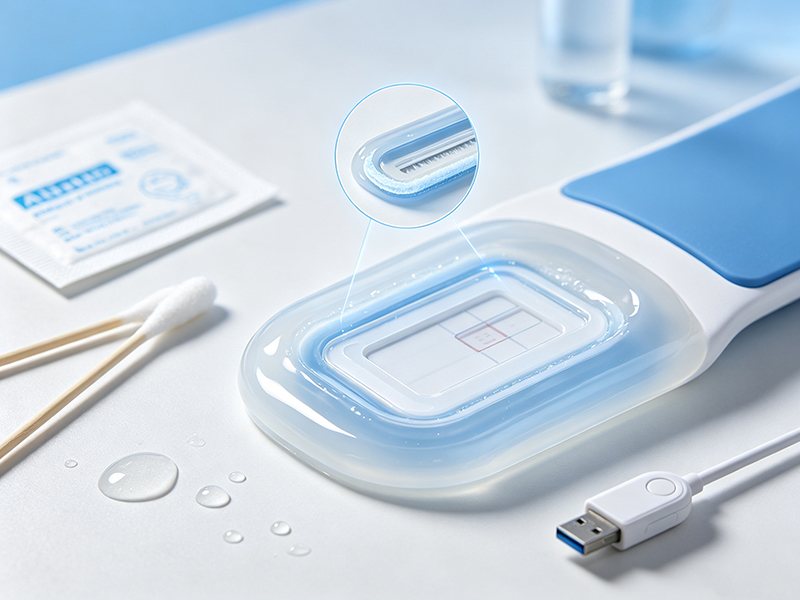
Demanding Medical Requirements
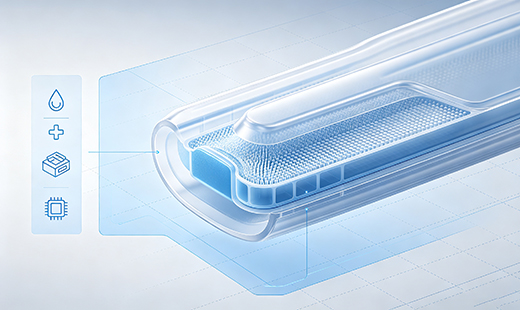
Medical sensors sit against the skin for long periods and are repeatedly exposed to sweat, alcohol disinfectant and cleaning agents, so encapsulation materials face strict standards on safety, stability, dimensional accuracy and volume consistency. LSR precision overmolding forms a dense, flexible silicone encapsulation layer on rigid substrates such as plastic and metal, giving sensors multiple layers of protection: waterproof, dustproof, corrosion resistant and shock absorbing.
Core Process Strengths
Compared with conventional adhesive encapsulation, one-piece LSR Overmolding greatly simplifies production and assembly, and removes the long-term hazards of debonding, shifting and leakage in sensor packaging. Precision tooling design, accurate parameter control and full-process traceability reduce flash, short shots and dimensional deviation, substantially raising yield and in-service reliability for medical sensor encapsulation.
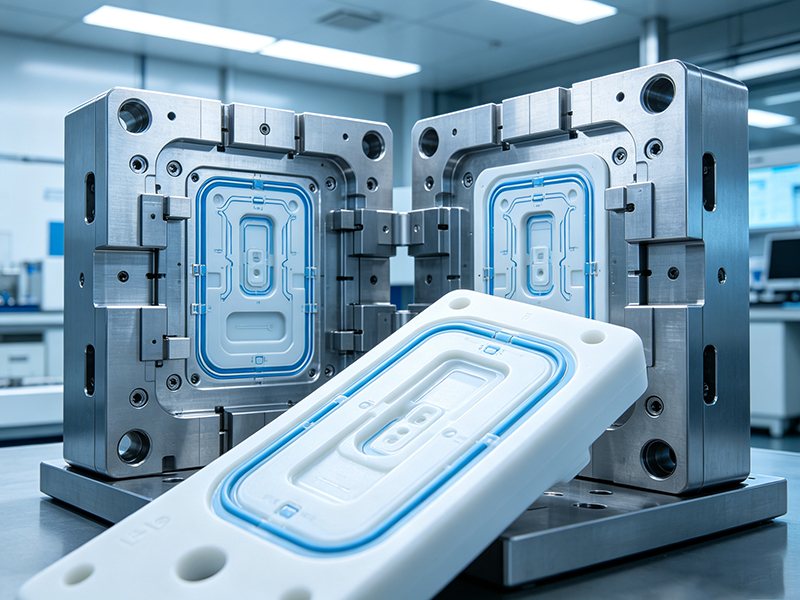
Where the Applications Are Going
As smart medical and portable monitoring markets keep expanding, demand for precision sensor encapsulation keeps rising. Medical-grade liquid silicone encapsulation, with its well-rounded performance, has become the preferred technical route for brands upgrading sensor quality, strengthening device stability and improving the end-user experience.
Table of Contents

Get Your Custom Liquid Silicone Overmolding Solution in 3 Steps
Learn More

