













LSR Overmolding Substrate Selection: Rigid Plastics and Metals


Substrate Selection
As a leader in medical liquid silicone precision overmolding, Zhongshan Henry Precision Technology Co., Ltd. knows that whether LSR multi-material bonding succeeds depends largely on how the rigid substrate is chosen up front. Not every plastic or metal can take liquid silicone overmolding directly — surface polarity and resistance to injection temperatures both act directly on interfacial bond strength.
Plastic Substrates
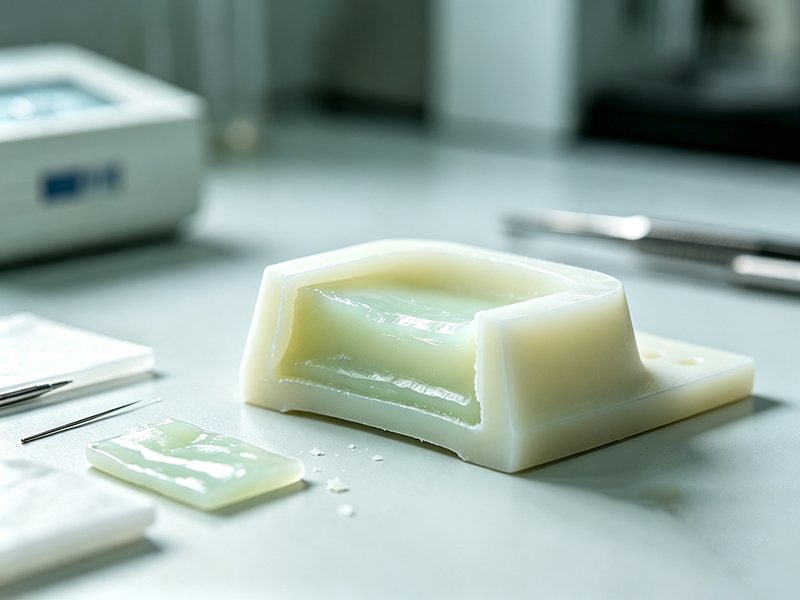
Medical projects mostly run on three plastics: PC, PA and ABS. PA is highly polar and gives excellent overmolding adhesion. PC needs its grade controlled to avoid hydrolysis at high temperature. Standard ABS lacks heat resistance and deforms easily during injection, so it does not suit high-temperature LSR molding. Some modified plastics also bleed release agent, which later causes debonding and delamination.
Metal Substrates
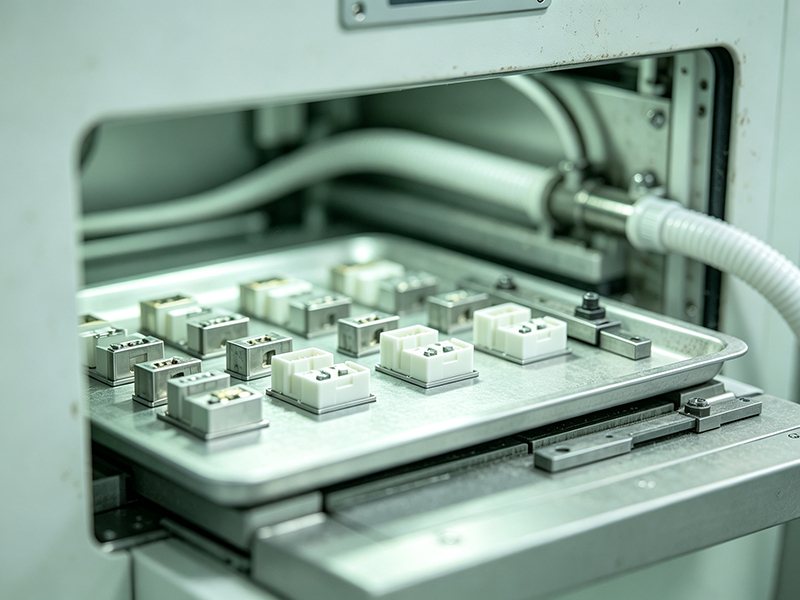
Stainless steel is the mainstream metal substrate for medical overmolding, and plasma activation of the metal surface is the key step. An unactivated metal surface is inert, so the silicone only makes physical contact; once the part goes through repeated alcohol wiping and sterilization, interface failure follows easily.
Selection Guidance
At the new-project stage, run substrate compatibility sampling first, and assess resistance to LSR injection temperature at the same time. Rule out interference from release agents and additives early, and you cut volume-production risk at the source.
Table of Contents


Get Your Custom Liquid Silicone Overmolding Solution in 3 Steps
Learn More

