













Key Points in LSR Sealing Structure Design for Medical Devices


Sealing Design Direction
The sealing structure is what device reliability rests on, and design of LSR liquid silicone sealing structures has become a development priority for medical precision devices. Against ordinary rubber seals, medical-grade LSR combines excellent biocompatibility, resistance to disinfectant media, temperature resistance and long-term rebound stability, and is used widely for waterproof and dustproof sealing in therapy instruments, wearable monitoring devices and precision medical components.
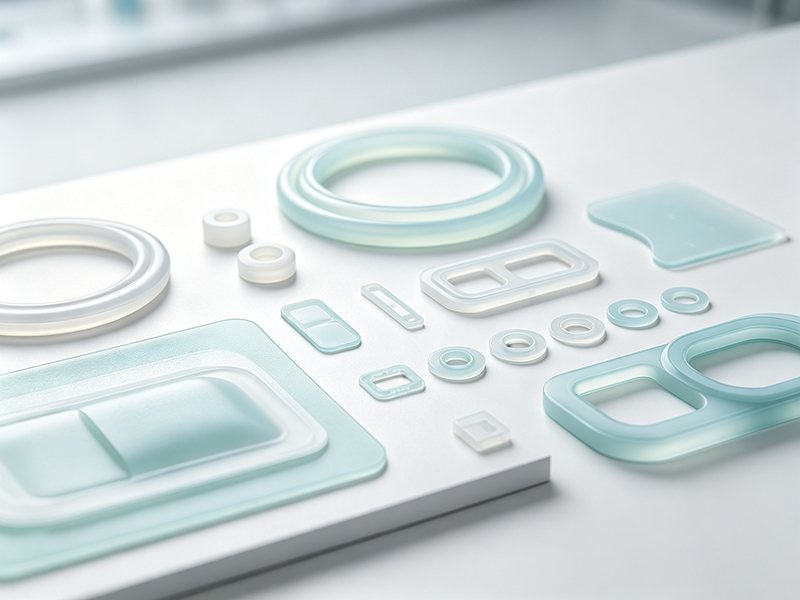
What Medical Sealing Demands
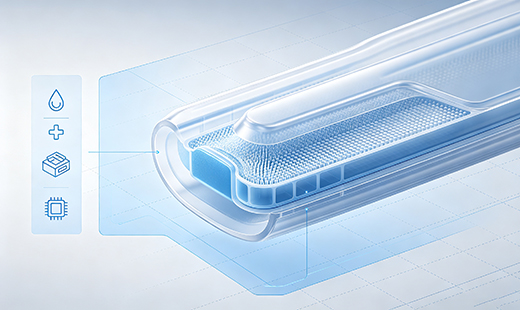
Sealing points on medical devices stay in continuous contact with sweat, alcohol and all kinds of disinfectants, which puts strict demands on the sealing material and the fit accuracy of the structure. Seal failure lets water and dust straight in, threatens the safety of the device circuitry, and can even breed microorganisms. LSR precision overmolding forms an integral silicone sealing layer directly on PC, ABS, PA and stainless steel substrates, giving continuous, reliable sealing and cushioning protection.
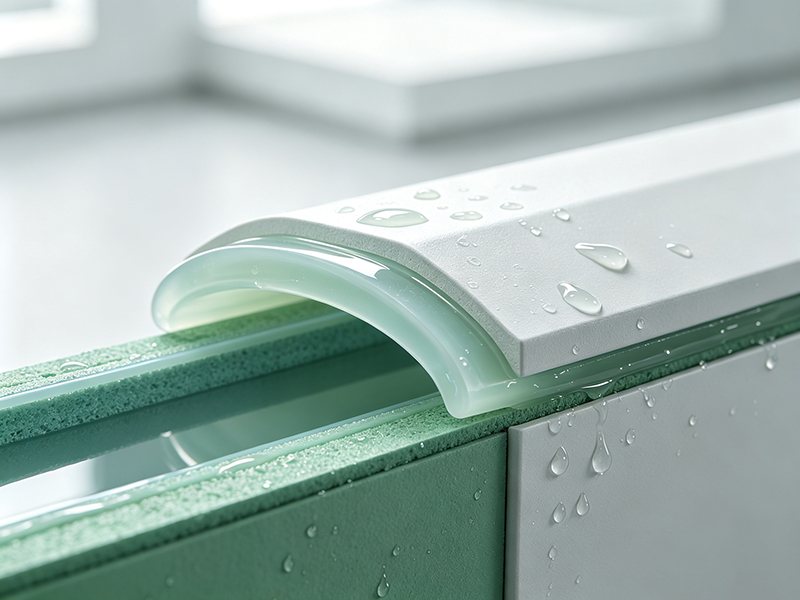
Structural Design Points
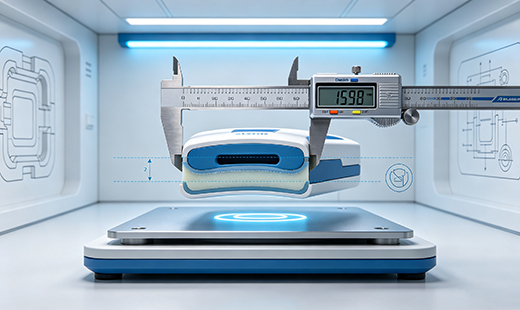
Conventional split seals tend to shift out of place during assembly or fail under compression. One-piece LSR Overmolding forms the sealing structure in a single shot, removing the misalignment risk that comes with fitting a separate seal. Design has to keep seal compression, mating chamfers and adhesive-escape grooves under control, and match the shrinkage rates of substrate and silicone. Working with precision tooling, controlled molding parameters and full-process traceability, this reduces flash, short shots and dimensional drift, and keeps the seal profile and compression stable and controllable.
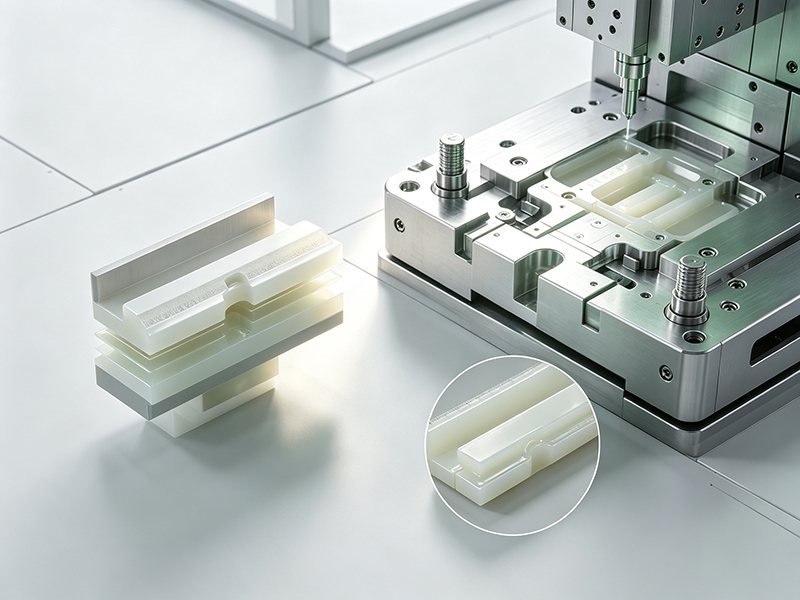
Value of the Design
Smart medical devices keep getting smaller, internal space is tight, and the bar on how integrated the sealing structure must be keeps rising. Sound LSR sealing structure design brings sealing and overmolding together into one part, simplifies device assembly, lowers the probability of leak failure, improves long-term working reliability, and meets the demanding requirements of medical device volume delivery.
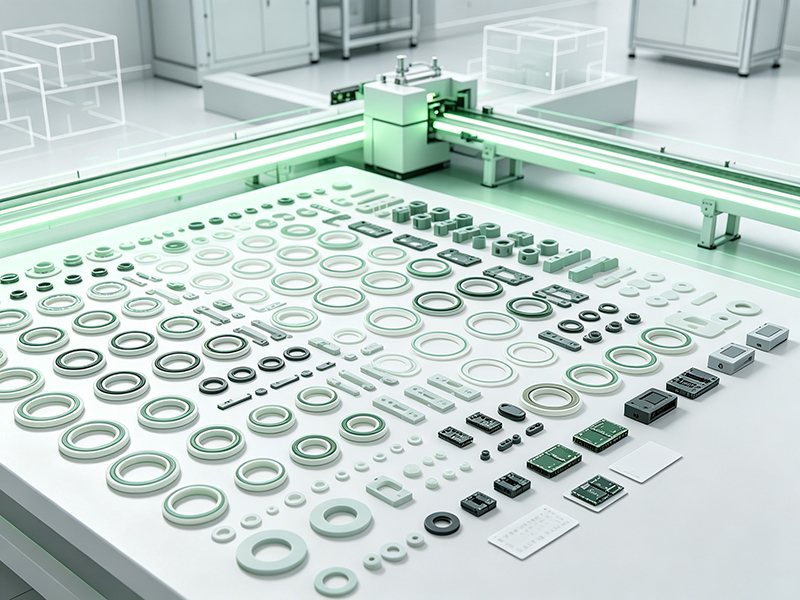
Table of Contents


Get Your Custom Liquid Silicone Overmolding Solution in 3 Steps
Learn More

