













How LSR Overmolding Improves Product Feel


Where Feel Optimization Is Heading
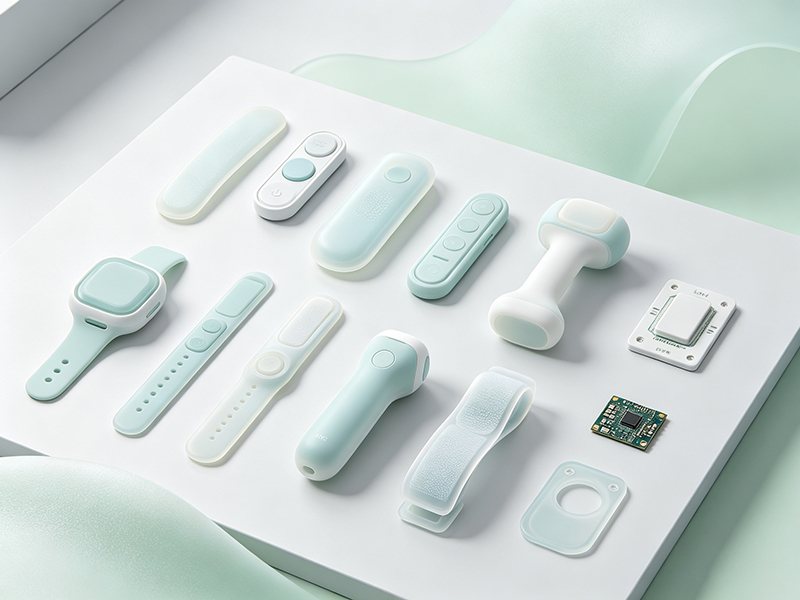
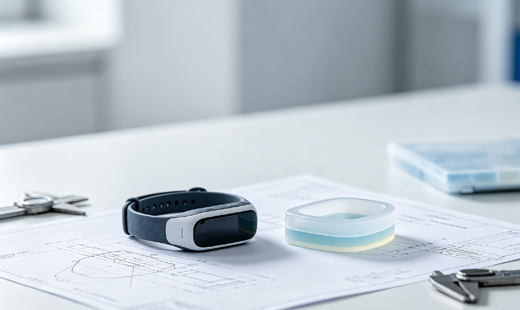
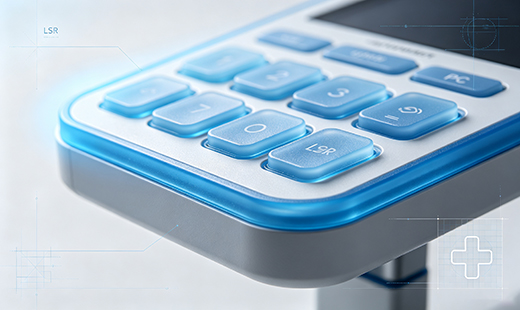
Product feel has become a major competitive factor in medical and wearable devices, and liquid silicone LSR overmolding is the mainstream technical route for improving the feel of a whole device. Against conventional rubber and ordinary coating, medical-grade LSR brings a better overall package — biocompatibility, high and low temperature resistance, waterproofing and anti-aging — and is used in volume on medical devices, therapy instruments, wearable health electronics and precision components, balancing safety performance with the feel of holding and wearing the product.
Body-Contact Requirements
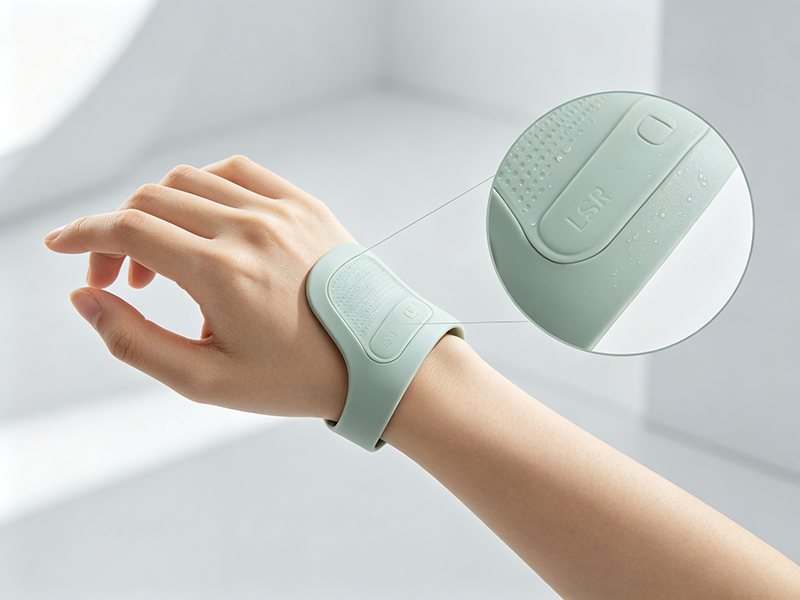
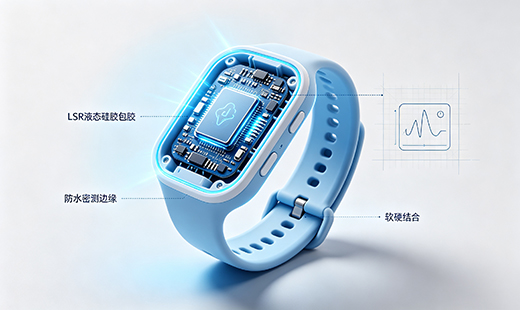
Medical wearables sit against the skin for long stretches and are repeatedly exposed to sweat and alcohol disinfectant, which puts high demands on surface feel, grip and skin-friendliness. With LSR precision overmolding, a continuous, dense, flexible silicone layer is formed on rigid substrates such as PC, ABS, PA and stainless steel, delivering waterproofing, dust protection, shock absorption, non-slip grip and a warm, soft touch — and correcting the cold, hard feel of bare rigid substrates.
How the Process Delivers the Feel
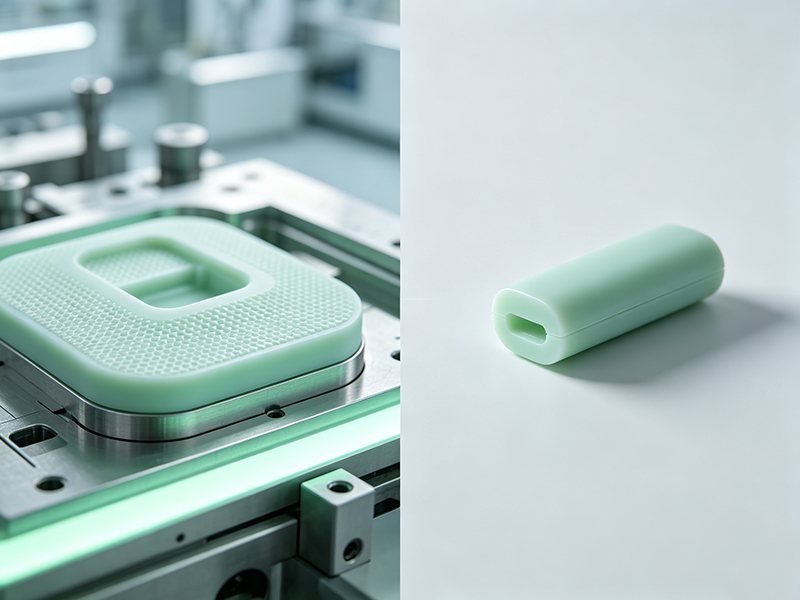
Conventional adhesive lamination easily produces seams, lifted edges and bumps that break up the surface feel. One-piece LSR Overmolding removes the secondary bonding operation, so there is no joint gap. Through tooling surface texturing, hardness formulation and accurate control of molding parameters, flash, short shots and surface defects are reduced, giving a fine, even silicone surface that reliably hits the designed touch, while also avoiding the debonding and shifting hazards of bonding.
Value of the Upgrade
As smart medical and health electronic devices keep iterating, users care more and more about how a device feels in the hand and on the body. Medical-grade LSR precision overmolding balances safety performance with a comfortable touch, lifts the perceived quality of the whole device, and improves the end-user experience — which is why so many device brands have made it their preferred process.
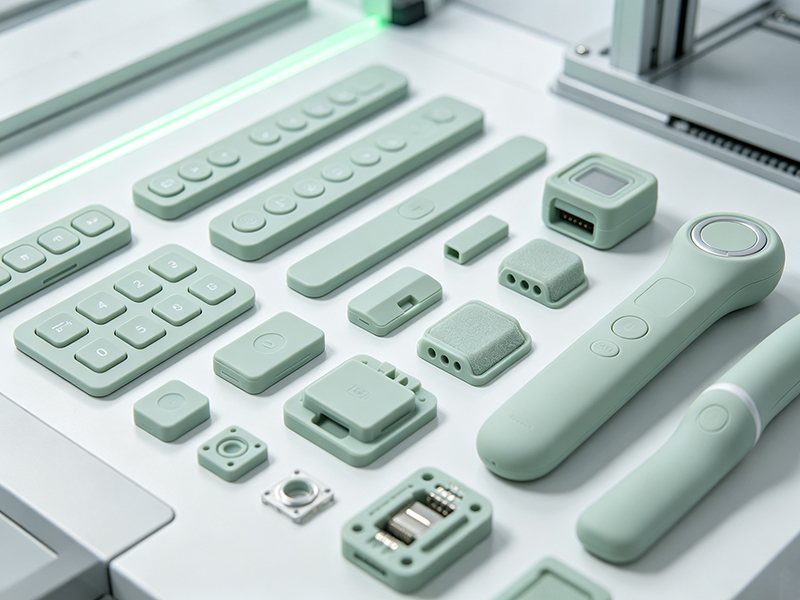
Table of Contents

Get Your Custom Liquid Silicone Overmolding Solution in 3 Steps
Learn More

