













How to Run an LSR Overmolding Peel Test, and Reference Criteria


Why the Test Matters
The peel test is the core reliability verification for LSR multi-material overmolding. It simulates the state of the interface after the part has been loaded, sterilized and aged, and identifies potential debonding and delamination risks early — a test no medical overmolded part should skip.
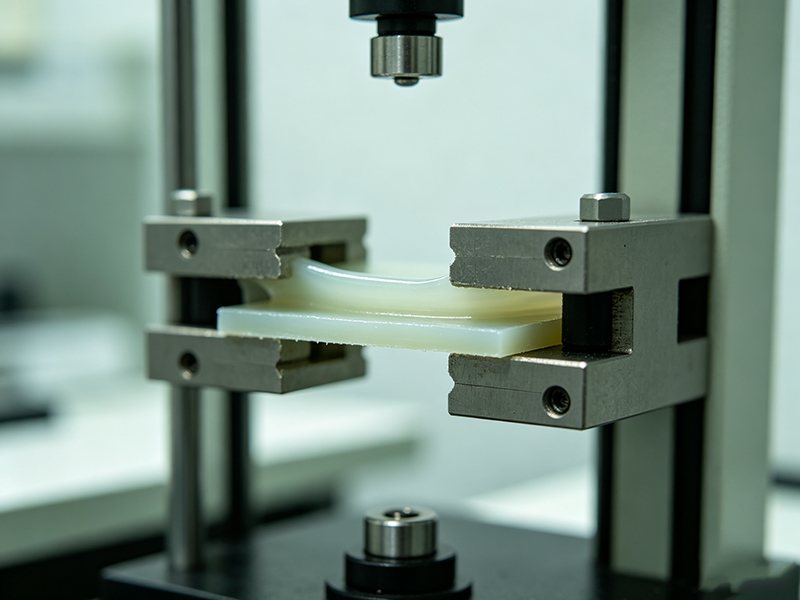
Preparing Specimens
Run the peel test on a tensile testing machine and record the peel force. The ideal failure mode is tearing through the silicone body — the silicone itself fails — rather than separation at the interface between silicone and rigid substrate. Interface separation counts as failure.
Reference Criteria
For medical LSR overmolding, cohesive failure within the silicone body is the preferred result. After the initial peel, re-test the peel force again following alcohol wiping, high-temperature aging and sterilization cycles, so the test reflects real medical service conditions.
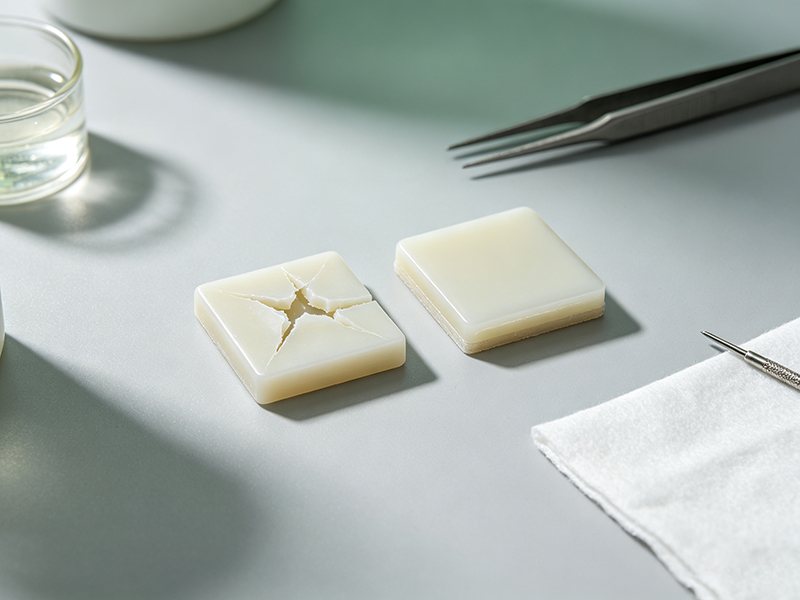
Selection Guidance
At the new-project stage, run substrate compatibility sampling first, and assess resistance to LSR injection temperature at the same time. Rule out interference from release agents and additives early, and you cut volume-production risk at the source.
Table of Contents

Get Your Custom Liquid Silicone Overmolding Solution in 3 Steps
Learn More

