













Clean Production Control for LSR Overmolding: From Raw Material to Cleanroom, End to End


Raw Material Control
The starting point for clean production is the compound. Where liquid silicone overmolding is headed for medical or food-contact use, a platinum-cured LSR should be the first choice: unlike peroxide curing, the platinum system leaves no peroxide decomposition by-products, and meets the biocompatibility requirements of USP Class VI and ISO 10993. How the material is supplied matters just as much. Clean-grade products require clean packaging from the supplier — double PE bags sealed inside a tote — and incoming lots get sampled for black spots and foreign matter. Storage and transport stay on the cold chain, some grades below minus 20 degrees Celsius, and stock is used first-in first-out within shelf life: catalyst activity decays in expired compound, and that shows up directly as poor cure and weaker bonding.
Cleanroom Design
An overmolding cleanroom is typically planned to ISO Class 7 or ISO Class 8. Class 7 suits medical catheter connectors and parts in contact with liquid; general consumer electronics overmolding is usually fine at Class 8. The core design elements are: pressure differential — the clean zone holds 10 to 15 pascals positive against non-clean areas, with airlocks stepping the transition; temperature and humidity — 22 plus or minus 2 degrees Celsius and 45 to 60 percent relative humidity, balancing cure stability against operator comfort; airflow — top supply with side return, 20 to 60 air changes per hour; personnel flow — second-stage changing and an air shower buffer, with no crossing back and forth. The molding machine is itself a particle source, so hydraulic units sit outside the clean zone or all-electric machines are specified, and tools are wiped clean and moved through controlled routes.

Contamination Control in Process
Managing liquid silicone overmolding inside the cleanroom is about removing process contamination at every step. Conventional silicone-oil release agents are banned at demolding; where release is needed, a food-grade release or a treated cavity that self-releases is used instead. Compressed air passes through 0.01 micrometre precision filtration, so blowing parts off does not carry oil mist or particles onto the product. Silicone fines from trimming and secondary operations are the most common source of inclusions, and are physically separated from the molding area. On personnel: cleanroom garments are laundered and changed daily, nails and hair fully covered, and wrist straps and tools are assigned to individuals. Every tote and tray that touches product is stainless steel or anti-static resin, so no paper lint or fibre can shed.
Inspection and Traceability
Cleanliness has to be measurable and traceable. On inspection, the setup includes particle testing — wash and count against ISO 16232 or the insoluble particle standard — gravimetric cleanliness testing and residue analysis; medical products also need retained samples from each lot for biocompatibility verification. The traceability system records the full chain from material lot, machine parameters and operator through to inspection data, so if a customer reports contamination, the affected lots and process steps can be identified within two hours. Zhongshan Henry Precision Technology Co., Ltd. (Henry Precision) has built a Class 10,000 clean LSR precision overmolding line with an electronic batch traceability system, and Henry Precision provides medical consumable and liquid-contact manufacturers with one-stop liquid silicone overmolding that meets cleanliness standards.
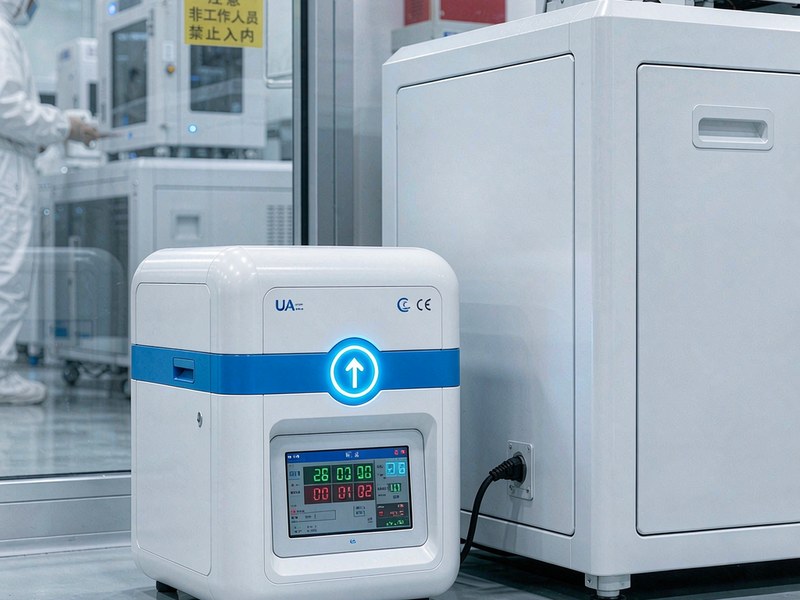
Table of Contents
Related News
-
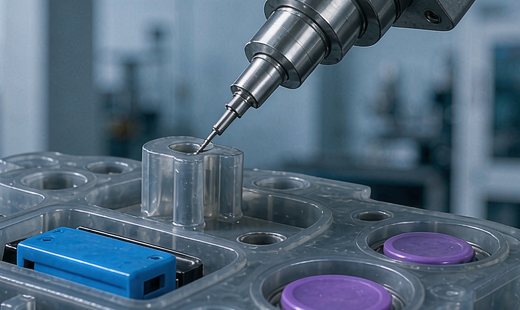
Dimensional Tolerance in LSR Precision Overmolding: How Micron-Level Accuracy Is Achieved
Technical ArticlesLearn More
-
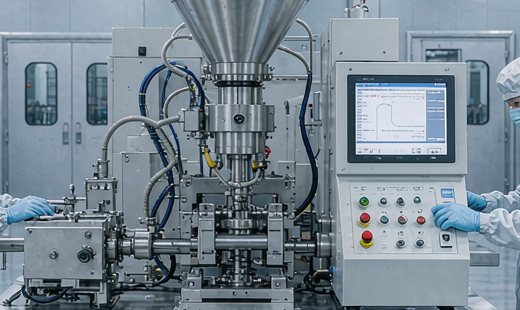
Cleanroom Processing for LSR Precision Overmolding: Environmental Control and Contamination Prevention
Technical ArticlesLearn More
-
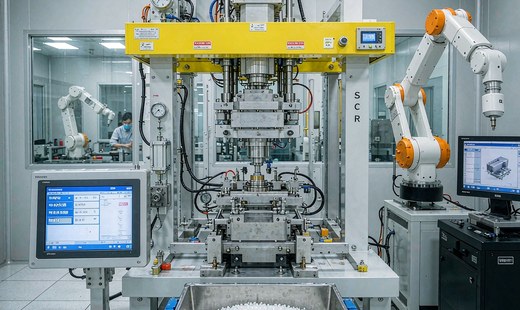
Designing an Automated LSR Overmolding Line: Flexible Tool Change in Practice
Technical ArticlesLearn More

Get Your Custom Liquid Silicone Overmolding Solution in 3 Steps
Learn More

