













What Smart Production Lines Bring to Medical LSR Overmolding


The Direction of Manufacturing
Medical-grade LSR overmolding imposes strict requirements on cleanliness, batch consistency and process traceability. Conventional labor-intensive production invites contamination and operator variation, so automated and smart lines have become the mainstream upgrade path for leading silicone manufacturers, matching the high delivery standards of medical devices.
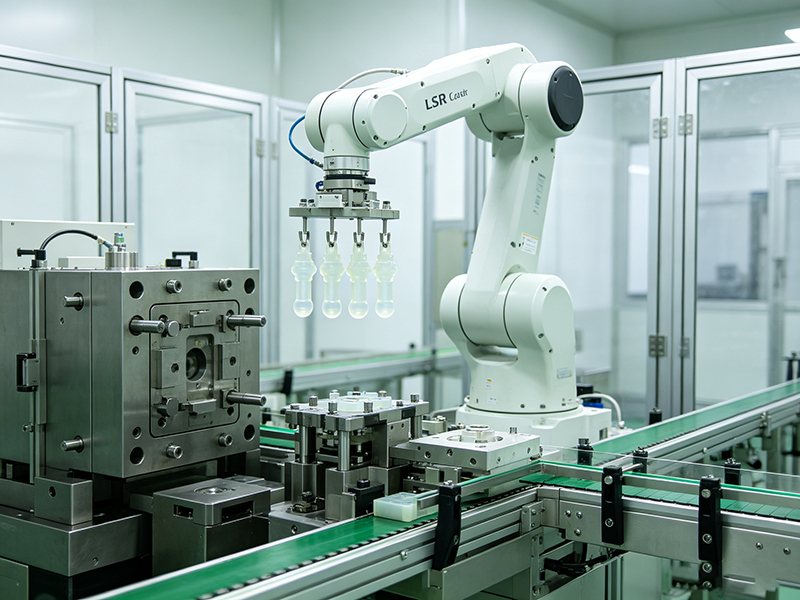
The Value of Automation
Automatic feeding and robotic part removal reduce direct human contact with parts, lowering the risk of foreign particle contamination in the cleanroom. Machine vision inspects online for flash, short shots, bubbles and insert displacement, replacing manual visual checks. Equipment IoT captures mold temperature, pressure and cycle data, retaining per-shot records that satisfy medical device traceability requirements.
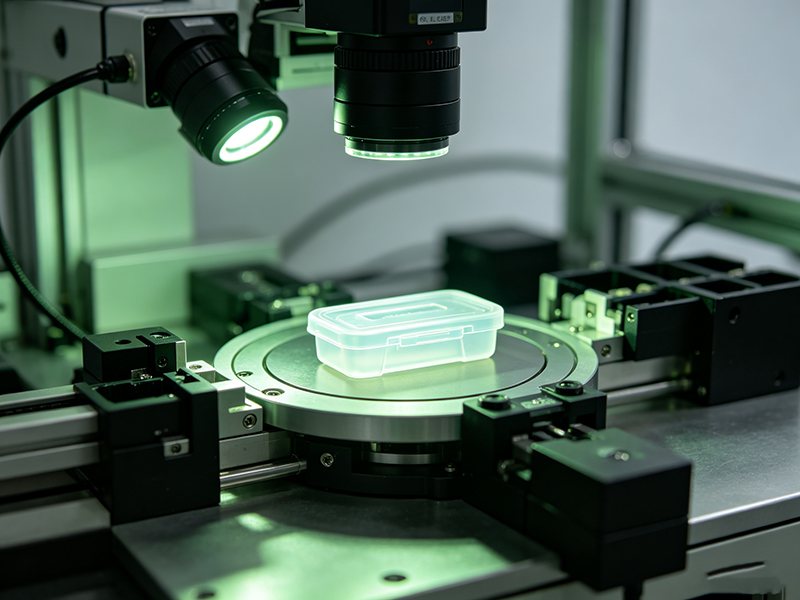
AI Process Control in Practice
Newer LSR injection systems integrate real-time data acquisition and automatically fine-tune injection pressure, hold pressure and mold temperature as material viscosity drifts, balancing fill across cavities in multi-cavity tools. Historical production data is used to predict defect trends and intervene early, cutting trial shots and speeding up new product development.
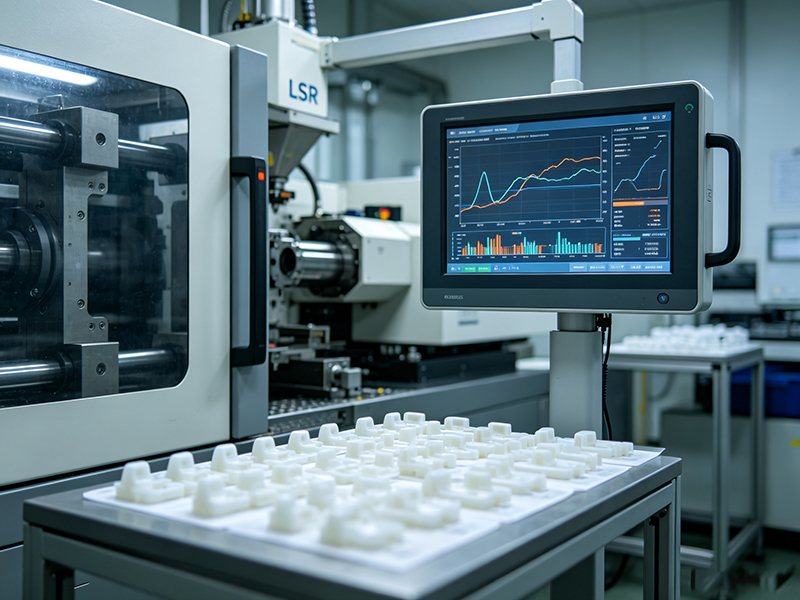
Implementation Notes
Smart manufacturing is not a straight equipment swap — it has to connect with the ISO 13485 quality system, with complete and auditable data records. Vision algorithms need specific training for semi-transparent silicone. Even for small and medium batch programs, automated flows must stay consistent with high-volume process parameters.
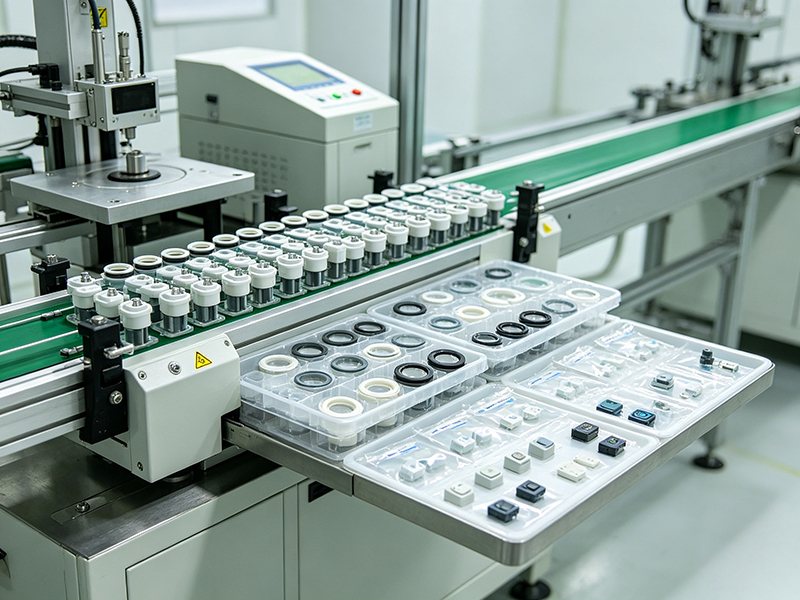
Table of Contents


Get Your Custom Liquid Silicone Overmolding Solution in 3 Steps
Learn More

