













LSR Overmolding on High-Performance Engineering Plastics: Where It Gets Hard


The Move to Specialty Substrates
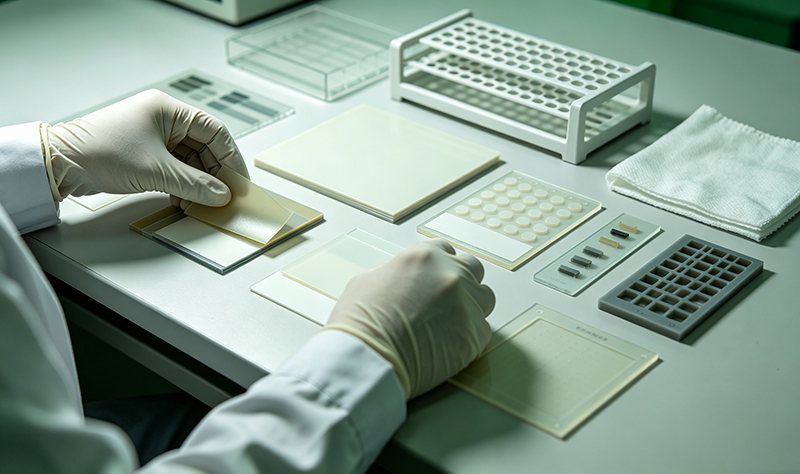
High-performance plastics such as PEEK, PPSU and modified PA are increasingly used in surgical instruments, minimally invasive devices and portable monitors, thanks to their heat resistance, strength and sterilizability. But their very low surface energy makes conventional LSR overmolding highly prone to bond failure — a real bottleneck in medical product development.
Core Technical Pain Points
Standard primers struggle to form effective chemical bonds on PEEK/PPSU surfaces; mold release residues from injection molding further degrade bondability; the large difference in thermal expansion between specialty plastics and LSR means the interface carries continuous shear stress through temperature cycles; and many programs pass sampling only to see batch delamination after reliability testing.
Process Solutions
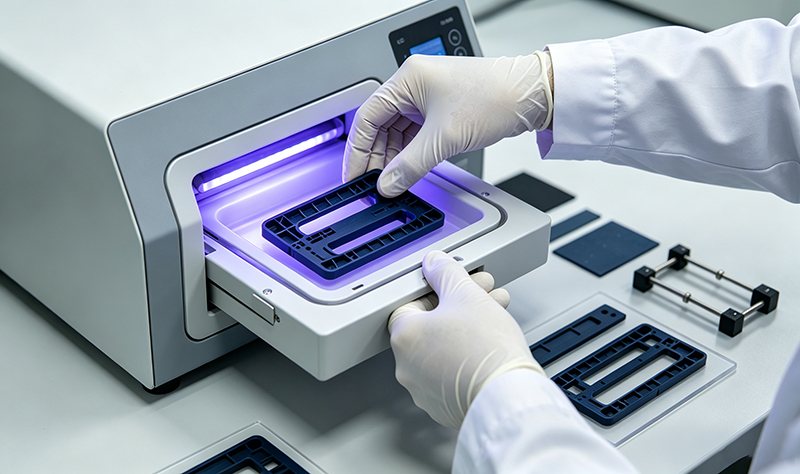
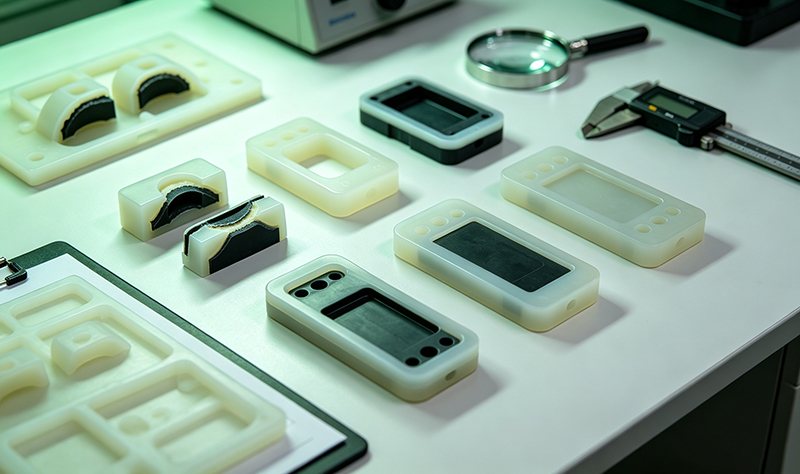
There are two mainstream routes. One is plasma or laser surface activation plus a dedicated primer system to raise substrate surface energy. The other is selecting self-bonding LSR grades matched to specialty plastics, reducing reliance on primers. Structurally, add mechanical interlocking grooves and through-holes to spread interface stress, and control overmold thickness to limit the pull that silicone shrinkage exerts on the interface.
Validation Priorities for Production
Overmolding on specialty substrates cannot rely on room-temperature visual checks alone. Thermal cycling and repeated immersion aging in alcohol and povidone-iodine are required, followed by re-testing push-out and peel strength. After plasma treatment, working time must be controlled and parts re-activated if they exceed it, to hold bond consistency in volume production.
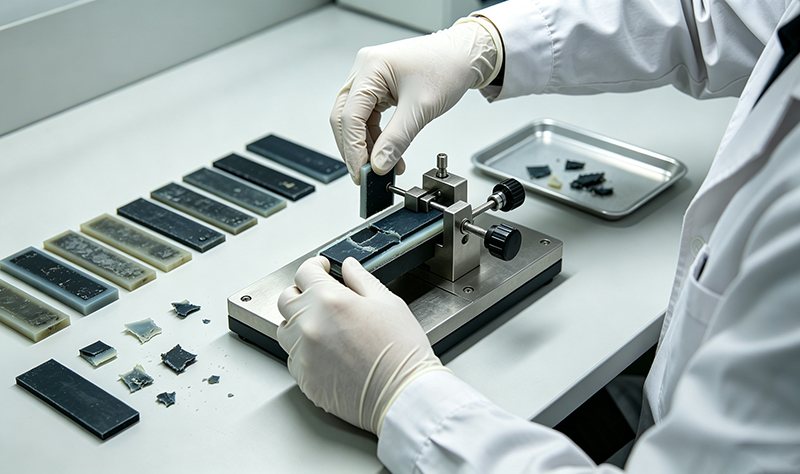
Table of Contents


Get Your Custom Liquid Silicone Overmolding Solution in 3 Steps
Learn More

