













How to Match Medical LSR Overmolding to Different Sterilization Methods


Sterilization Scenarios
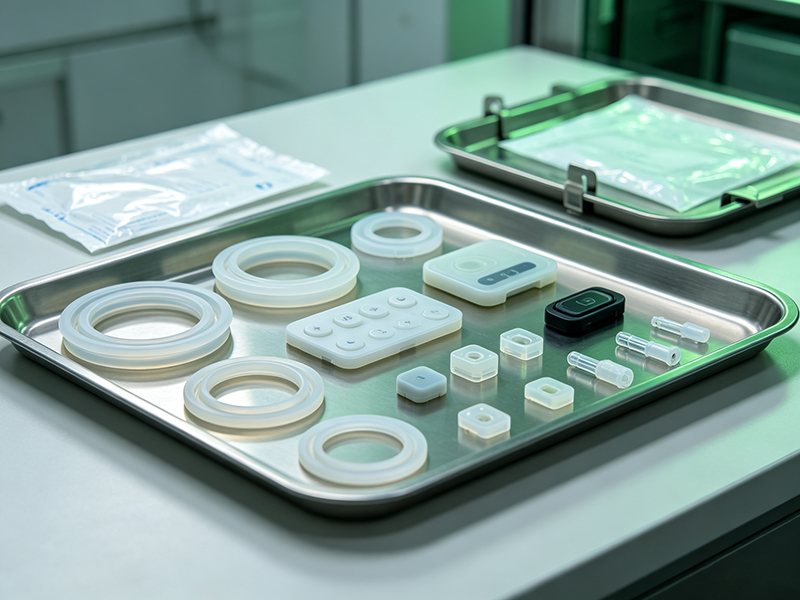
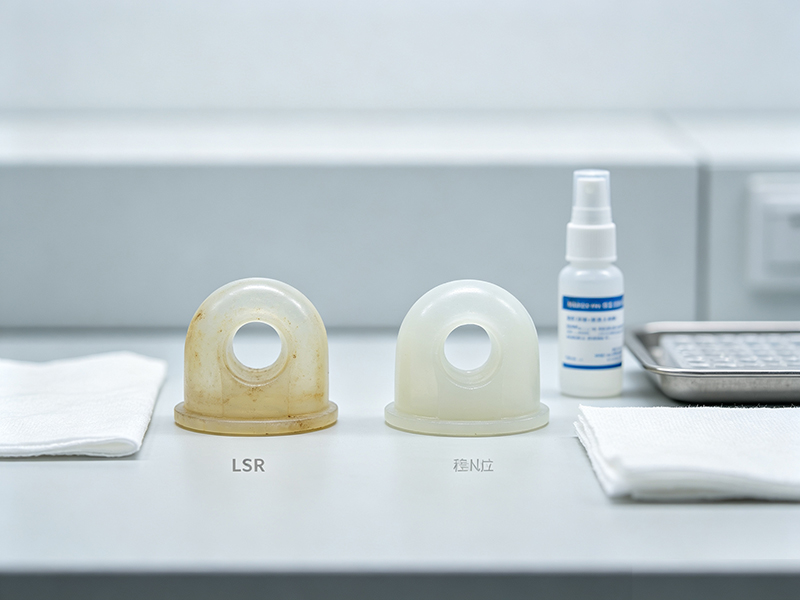
Class II medical device components, whether shipped new or reused, go through ethylene oxide, high-temperature steam or gamma sterilization. Standard silicone yellows, embrittles, drifts dimensionally and loses seal rebound after repeated cycles, so medical-grade LSR overmolded parts must be designed for sterilization resistance from the start to hold performance across the product lifecycle.
How Each Method Affects Materials
Different sterilization methods stress the silicone differently. Ethylene oxide leaves residue that must fully outgas; high-temperature steam drives hydrolytic aging and dimensional drift; gamma irradiation can alter crosslink density and cause discoloration. Selecting a grade validated for the specific method matters more than any single material property.
Material and Structural Countermeasures
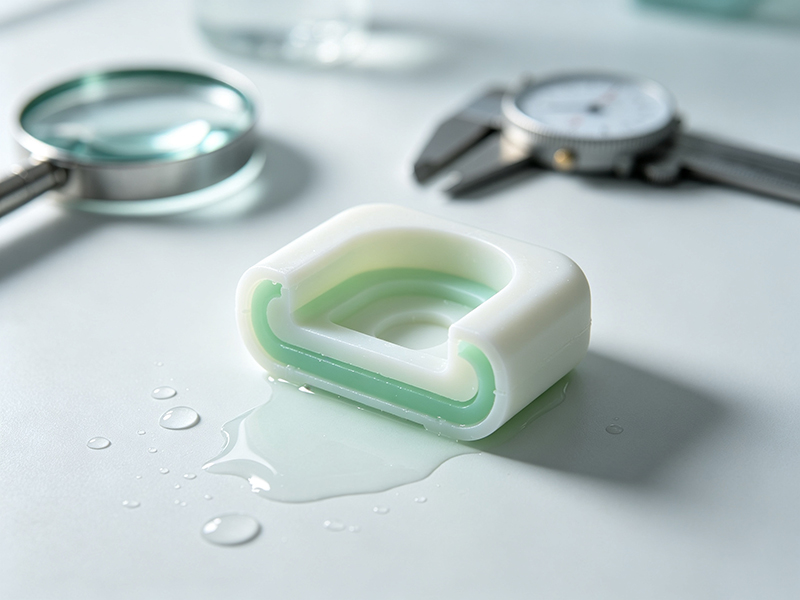
Prefer medical-grade LSR grades rated for sterilization resistance, and complete post-sterilization biocompatibility validation strictly per ISO 10993. Keep overmold thickness as uniform as possible, avoiding thick spots where sterilant gas can linger. Reduce sealed blind holes so gas penetrates and desorbs freely. Apply secondary post-curing to fully remove low-molecular-weight extractables, lowering the risk of bleed after sterilization.
Validation and Production Control
New product development must include accelerated aging tests that simulate repeated sterilization, with dimensions, bond strength and sealing performance re-checked afterward. Control raw material batch consistency in production, and validate sterilization resistance for each new material batch, so batch variation does not introduce safety risk to the medical device.
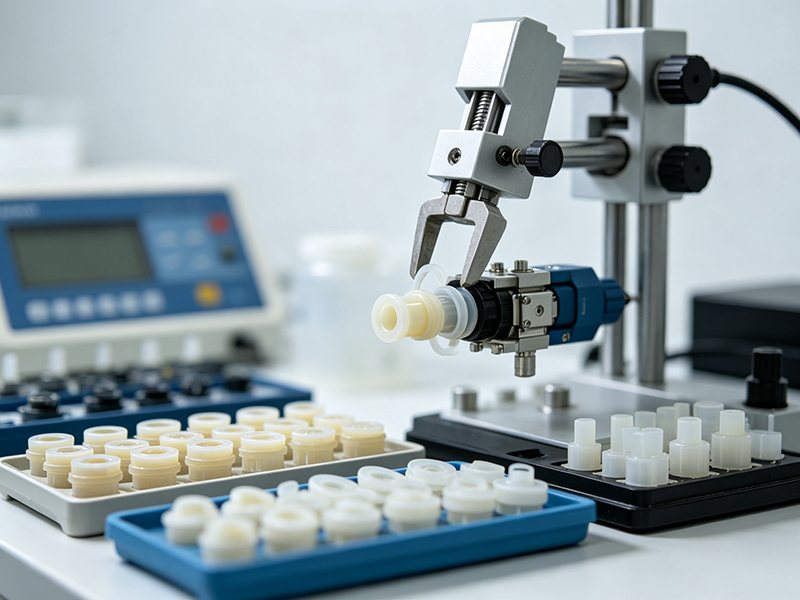
Table of Contents


Get Your Custom Liquid Silicone Overmolding Solution in 3 Steps
Learn More

