













Why LSR Overmolding Interfaces Fail, and How to Fix It


Where the Industry Hurts
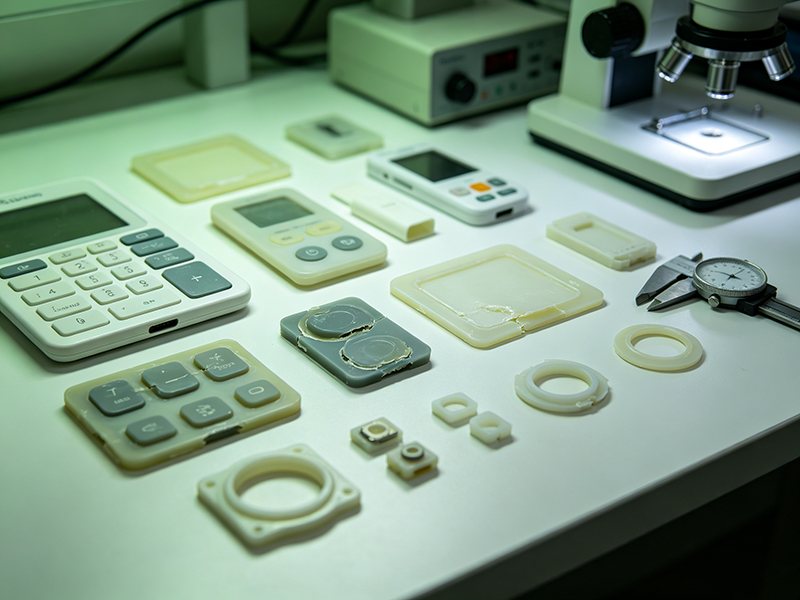
LSR precision overmolding often bonds well at the sampling stage, then delaminates after thermal cycling or aging tests — one of the most frequent failures in medical program development. Silicone cannot fuse with plastic or metal the way melts do; the interface relies on chemical bonding and mechanical anchoring. If any link is weak, sealing fails and parts get scrapped later, directly hitting medical device production schedules.
Root Causes
Interface failures cluster in four areas: residues on the substrate surface such as mold release, oil or fingerprints; low surface energy substrates with no effective activation; mismatched primer selection or poor control of the application process; and the absence of a mechanical interlock, leaving chemical bonding alone to absorb thermal cycling stress. Medical products carry high cleanliness requirements, so skipping substrate cleaning or plasma activation plants the seed for batch failures.
Process Improvement Path
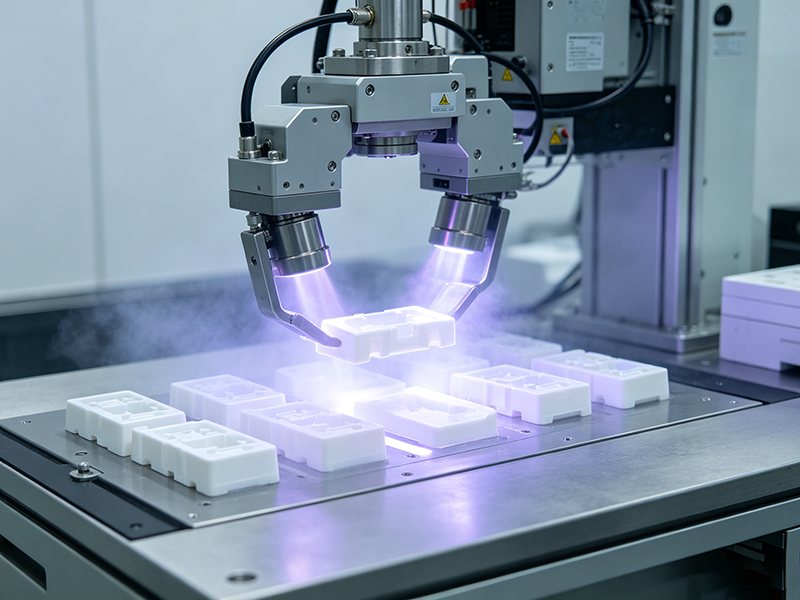
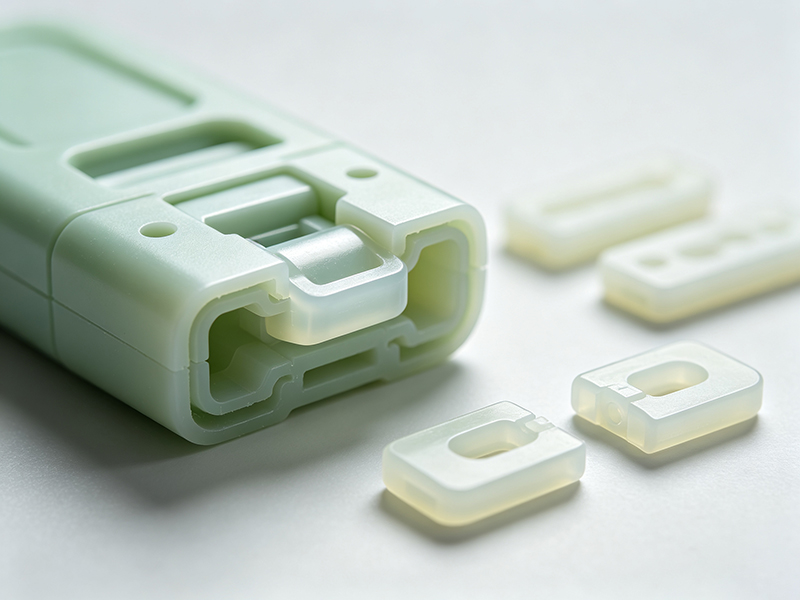
For medical-grade LSR overmolding, a complete interface control plan is needed: ultrasonic cleaning plus plasma activation to raise substrate surface energy; primers matched to the substrate type, with storage life controlled; undercuts and grooves added to the structure for mechanical anchoring; and mold temperature and hold pressure optimized so the silicone cures fully and forms chemical bonds. For hard-to-bond substrates such as PA and PPSU, prefer self-bonding LSR grades to reduce reliance on primers.
Reliability Validation Methods
Medical overmolded parts cannot be judged on appearance alone. Peel and push-out reliability tests are required, with bond strength re-measured after simulated thermal cycling and disinfectant aging. Keeping sampling and production processes consistent prevents the pattern where pilot samples pass but volume production delaminates in batches, protecting long-term medical device safety.
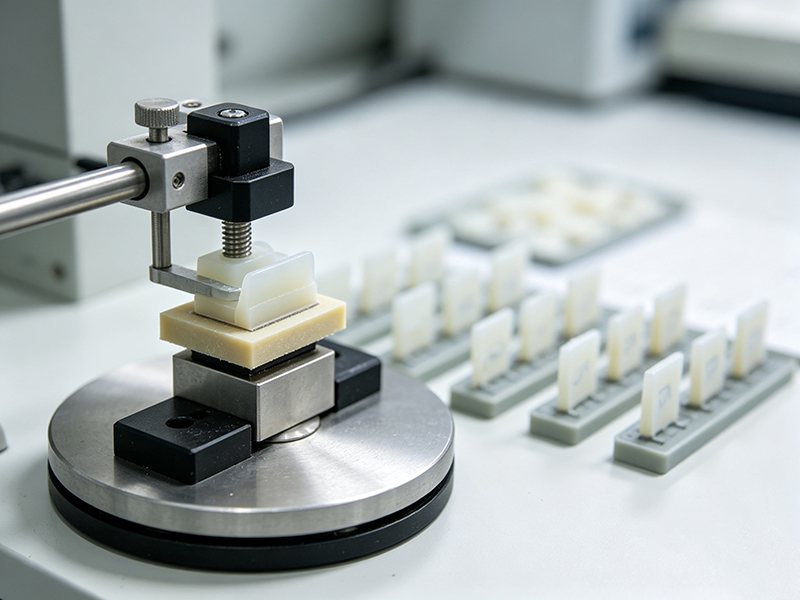
Table of Contents


Get Your Custom Liquid Silicone Overmolding Solution in 3 Steps
Learn More

