













Key Points in Tooling Development for Medical LSR Overmolding


How Tool Design Differs
LSR liquid silicone flows extremely easily, so clearance control matters far more than in standard plastic tooling. A medical overmolding tool must not only form the part shape but also contain flash, hold insert location accuracy, and avoid oil bleed that would compromise cleanroom production — all of which directly determine production yield later.
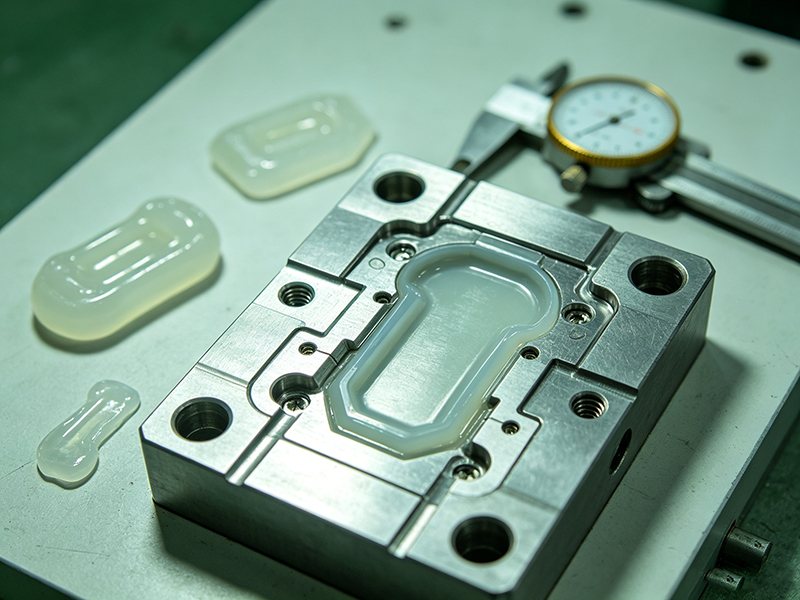
Core Structural Points
Shut-off faces should be optimized around silicone flow direction, with tool fit clearance held under 0.01 mm to suppress flash. Venting grooves are tightly controlled at 0.02-0.03 mm depth, venting cavity air effectively without letting silicone escape. Metal and plastic inserts need multiple locating features to prevent injection pressure from shifting them. For medical products, cold runner systems are preferred to cut gate scrap and reduce foreign particle risk.
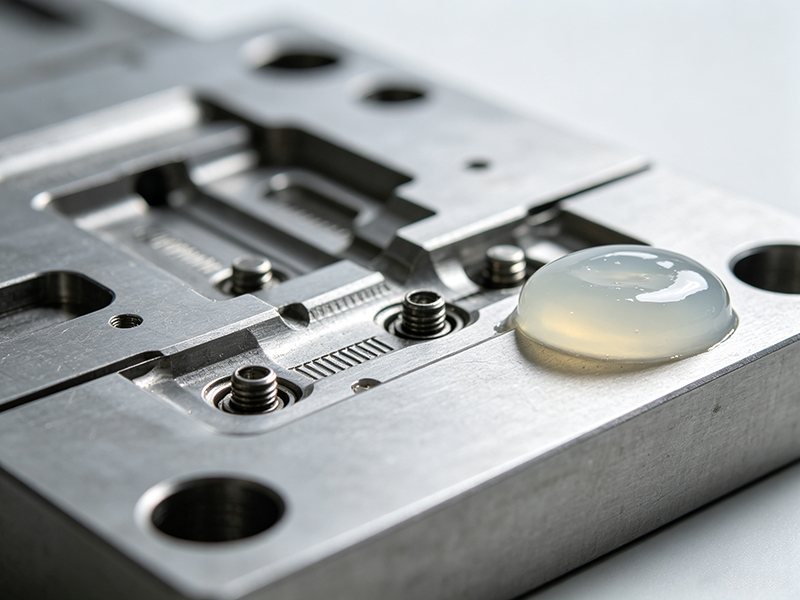
Special Requirements for Medical Tooling
Tool steel must resist rust and corrosion so metal ions do not bleed into the silicone; surface polish must meet medical appearance standards; tool teardown and cleaning procedures are folded into quality control; and silicone-based release agents are avoided, since migration contaminates the bond interface and causes later debonding.
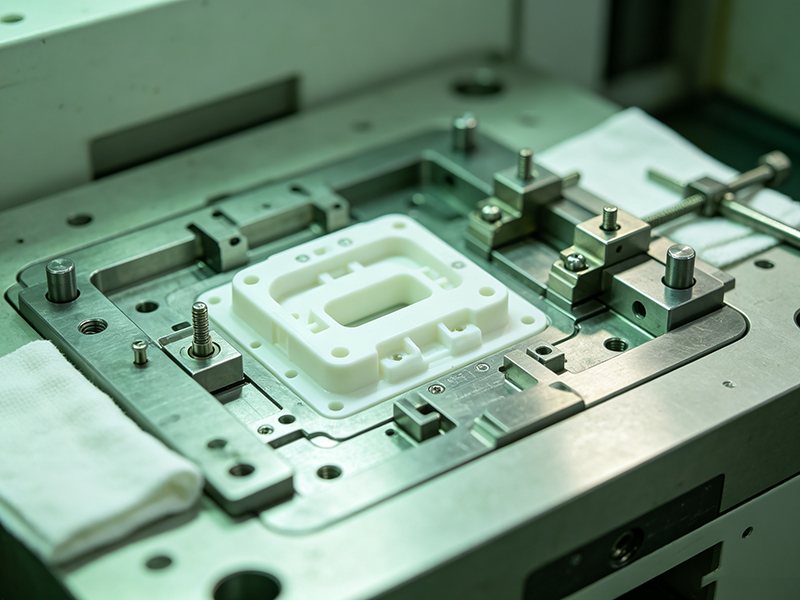
Trial-and-Iteration Logic
A medical LSR overmolding tool should not be treated as final on the first build. Leave room on the first version for adjustment, then iterate gate, venting and shut-off based on trial feedback. Only after pilot validation passes should the tool get its final hardening, reducing the cost of repeated rework.
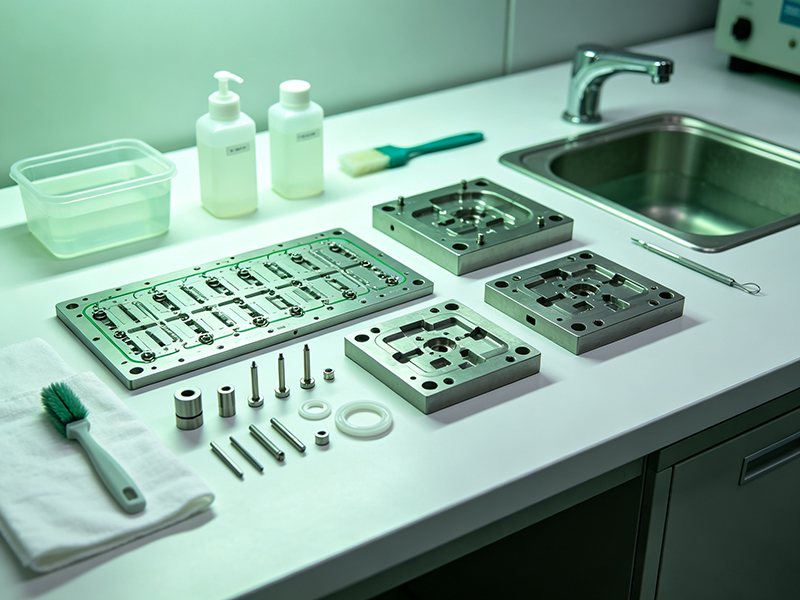
Table of Contents



Get Your Custom Liquid Silicone Overmolding Solution in 3 Steps
Learn More

