













Localizing Medical-Grade LSR Overmolding: Progress and Remaining Gaps


The Localization Trend
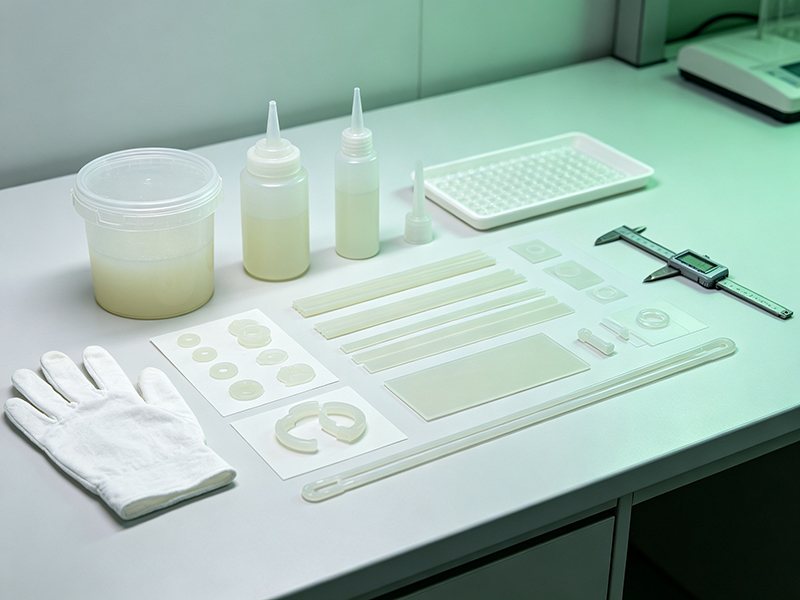
High-end medical LSR materials used to depend heavily on overseas brands. In recent years, domestic silicone producers have accelerated development of medical grades, and more device makers are trialing domestic LSR overmolding solutions to gain supply chain control and ease lead time and cost pressure.
Where Progress Has Landed
Several domestic suppliers now offer platinum-cured LSR that passes ISO 10993 biocompatibility, with some grades holding USP Class VI certification. Materials in the standard 30-70 Shore A range are already running in volume on wearables and general therapy devices. Domestic tooling and cleanroom molding capability have caught up quickly, and complex overmolded parts can now be developed locally.
The Core Challenges Left
Batch-to-batch stability still lags at the high end; low-viscosity, high-flow grades for ultra-thin molding remain scarce; self-bonding medical LSR options for PEEK and PPSU are limited; databases for long-term aging and repeated sterilization resistance are thin; and switching materials forces a full revalidation, which keeps the barrier to substitution high.
Advice for Adopting Domestic Grades
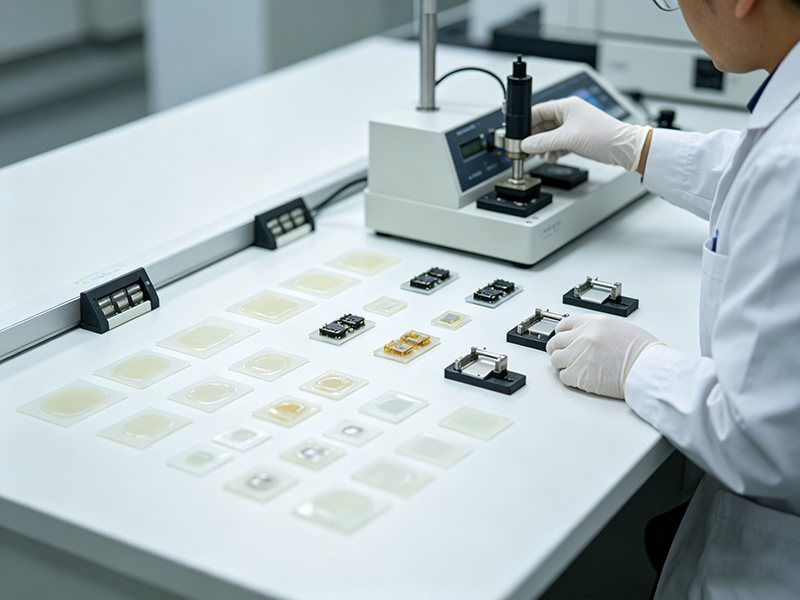
Bringing in a domestic material cannot rest on certificates alone — it needs full matching validation: bond strength, dimensional stability, disinfectant resistance and repeated sterilization aging, all compared side by side. Move in stages, from non-contact to indirect-contact components and only then to long-term body-contact parts, to keep program risk down.
Table of Contents


Get Your Custom Liquid Silicone Overmolding Solution in 3 Steps
Learn More

