













Tighter Export Compliance Makes Food-Grade LSR Overmolding a Competitive Barrier


The Compliance Bar Keeps Rising
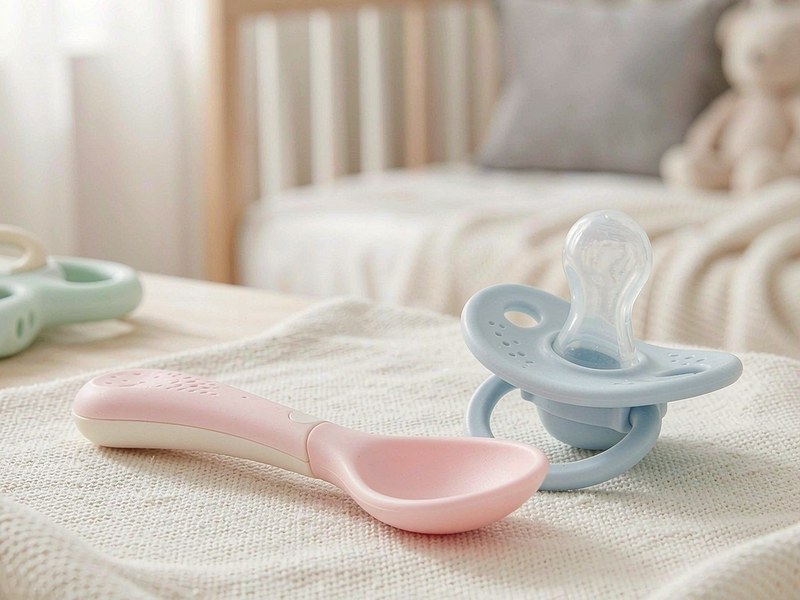
Baby products and small kitchen appliances are core categories in cross-border e-commerce and brand exports, but EU and US regulations on food contact materials and children's products keep tightening. EU LFGB, US FDA and individual member state migration testing requirements are extending from single-material testing to compliance of every component in the finished product. LSR precision overmolding suits sippy cups, feeding spoons, silicone tableware and portable blender seals because the material itself carries food-grade credentials and the one-piece structure leaves no gaps.
The Value of Food-Grade Overmolding
In baby and kitchen appliance products, LSR overmolding serves both function and safety: the seals and spouts of sippy cups must withstand repeated chewing and come apart easily for washing; blade-hub seals in blenders and juicers must tolerate heat and acidic juice; and the soft sections of baby feeding tools must be one piece with no crevices that trap residue. Liquid silicone overmolding bonds silicone directly to food-safe rigid plastics such as PP and TRITAN, avoiding the hygiene and compliance risks that adhesive bonding brings. Zhongshan Henry Precision Technology Co., Ltd. (Henry Precision) can specify LSR grades that meet food contact standards for overmolding production; parts withstand high-temperature steam and dishwasher cleaning, giving baby and kitchen brands a safe, seamless structural solution.
Certification and Cleanliness Requirements
The compliance chain for food-grade overmolding is long, spanning three layers of verification: material, process and factory system. On the material side, LFGB/FDA migration test reports are required. On the process side, curing must be driven to completion to avoid odor and residual low-molecular-weight extractables. At the factory level, cleanroom facilities and hygiene management procedures are needed to prevent cross-contamination. Secondary post-curing of LSR precision overmolded parts is especially critical for odor and extractables control, so suppliers need controlled post-processing capability. Export brands should also watch regulations such as REACH, RoHS and CPSIA that constrain overmolded parts as a whole; a well-built test database shortens certification cycles considerably and gets new products to market faster.
Advice on Choosing a Supply Partner
When baby and kitchen appliance brands evaluate overmolding suppliers, the recommendation is to put completeness of compliance documentation first, then look at seamless structure design experience and quality records for batch consistency. Zhongshan Henry Precision Technology Co., Ltd. has built a food-grade LSR material verification and hygienic production system, and can support material testing, sample submission and production quality traceability, giving export products an auditable compliance chain. As global food contact regulations keep tightening, working closely with a factory that has food-grade precision overmolding capability will become a key move for brands building trust and differentiation.
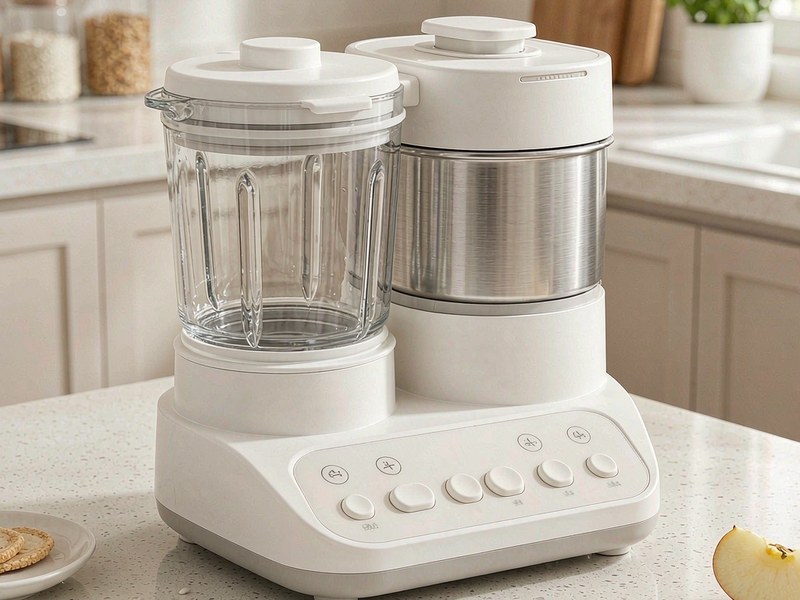
Table of Contents
Related News

Get Your Custom Liquid Silicone Overmolding Solution in 3 Steps
Learn More

