













LSR Precision Overmolding: A Full Guide to the Process


1. What Is LSR Precision Overmolding
Liquid silicone precision overmolding (LSR precision overmolding), also called silicone overmolding, two-shot overmolding or multi-material molding, is a composite manufacturing technology that encapsulates plastic or metal substrates with liquid silicone rubber (LSR) through high-precision injection molding. During injection, LSR forms both a chemical bond and a mechanical interlock with the substrate, producing a one-piece rigid-skeleton-plus-soft-silicone structure that combines structural strength with functional elasticity.
LSR is essentially a two-component (A and B) platinum addition-cure system. Mixed at a 1:1 ratio, it crosslinks and cures within tens of seconds at a mold temperature of 160 to 180 degrees Celsius. The cured product withstands high and low temperatures (typically minus 60 to 200 degrees Celsius, up to 300 degrees Celsius for special grades), resists ozone and UV aging, offers excellent electrical insulation and chemical stability, and has outstanding biocompatibility — earning it a reputation as one of the synthetic materials closest to human tissue. Substrates are usually heat-resistant engineering plastics such as PC, PA, PA+GF, PBT, PPS and PEEK, or metals such as aluminium and stainless steel.
2. Technical Principles and Process Flow
Bonding between LSR and the substrate relies on two mechanisms. One is mechanical bonding, achieved through undercuts, grooves and sandblasted textures designed into the tool to create physical interlocking. The other is chemical bonding, where plasma treatment, silane coupling primers and similar methods raise the surface energy of the substrate and promote interfacial adhesion between LSR and substrate. Chemical bond strength directly determines the reliability of an overmolded part through long-term thermal cycling, salt spray and vibration.
A typical production flow for precision overmolding runs: substrate preparation and cleaning, surface activation (plasma or primer), precision substrate positioning into the mold, two-component LSR metering and mixing, vacuum degassing, injection filling, heated curing, demolding, then post-processing and inspection. The whole flow has to run in a clean environment; workshop humidity below 40 percent and cleanliness at ISO Class 7 or better are recommended, to keep dust and moisture from affecting bonding and appearance.
The word precision shows up as micron-level tolerance control. Parting line fit clearance is typically held to 0.03 to 0.05 mm or less, to stop low-viscosity LSR from flashing; venting grooves are machined to a depth of 0.002 to 0.005 mm, balancing air escape against flash; mold temperature uniformity is held within plus or minus 3 degrees Celsius to keep curing consistent; and insert positioning tolerance is held to plus or minus 0.02 mm to prevent overmolding shift. Refining these parameters is the basis for reaching yields above 99 percent.

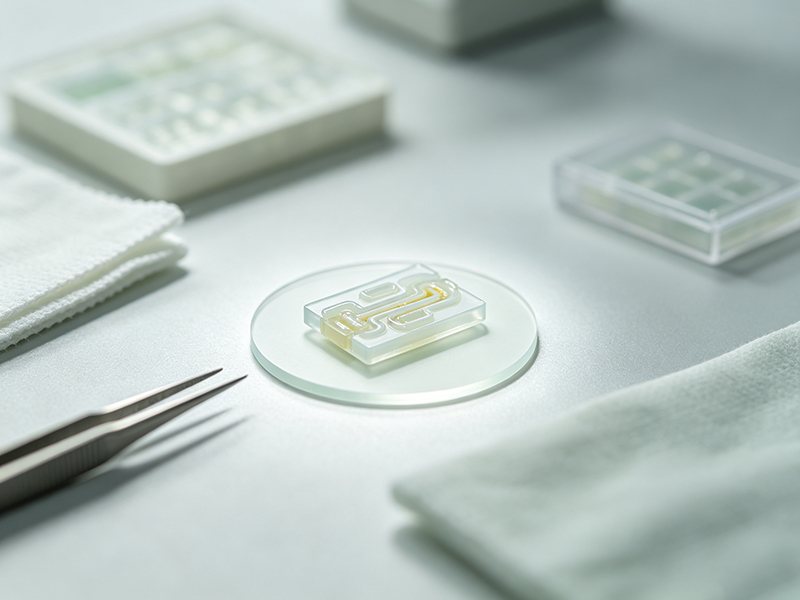
Figure 2 Macro close-up of a precision silicone overmolded part: micron-level process detail
Against conventional solid silicone overmolding, LSR precision overmolding holds decisive advantages in dimensional accuracy, surface quality and production efficiency. LSR can form precision sealing structures with walls as thin as 0.2 mm, meeting the strict demands of medical devices and micro electronic components. Automated injection cycles run just 15 to 60 seconds, and cold runner systems produce almost no scrap, so unit cost falls noticeably as volume rises.
LSR overmolding forms a reliable seal against water, dust and impact. In consumer electronics, a Type-C port waterproof ring made by LSR precision overmolding stays leak-free for 30 minutes at one meter depth and survives more than 10,000 mating cycles. In new energy vehicles, battery pack seals still hold IP68 protection after high and low temperature cycling (minus 40 to 125 degrees Celsius, 1,000 cycles), making LSR the ideal replacement for conventional rubber and TPE.
In medical and food applications, compliance is the first threshold. Medical- and food-grade LSR can meet ISO 10993, USP Class VI, FDA and EU 10/2011 requirements. It is odourless and non-toxic, low in sensitization risk and free of BPA and phthalates, and it withstands high-pressure steam, gamma radiation and ethylene oxide sterilization — which is why it is the material of choice for medical catheters, baby bottle nipples and food-contact seals.

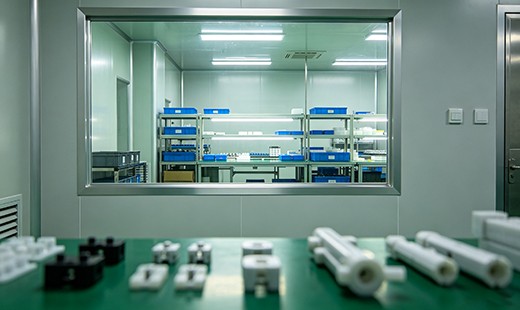
Figure 3 Modern LSR precision overmolding injection molding workshop
3. Application Areas
Healthcare is one of the fastest-growing tracks for LSR precision overmolding. Respiratory mask seals, catheter seals, surgical instrument handle overmolding and skin-friendly housings for wearable monitors all use LSR precision overmolding in volume. Henry Precision has long supplied medical customers with high-cleanliness overmolded parts built to ISO 13485, safeguarding biological safety across the whole chain from tool design and dust-free molding through to process validation.
The explosive growth of new energy vehicles has created rigid demand for highly reliable sealing and insulation. LSR precision overmolding is now widely used in battery pack seals, high-voltage connector gaskets, thermal management components and sensor encapsulation. Its resistance to temperature cycling, vibration and its insulating performance let it play the role of invisible guardian across the three core systems — motor, electronic control and battery.
In consumer electronics, LSR precision overmolding is a three-in-one solution covering waterproofing, feel and appearance. Smartphone waterproof rings, TWS earbud seals, smartwatch straps and buttons, and AR/VR cushioning sleeves all rely on LSR precision overmolding to reach IP67/IP68 protection while delivering a skin-friendly touch and colourful finishes.

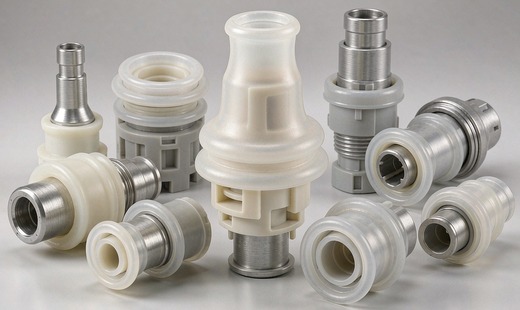
Figure 4 Collection of LSR precision overmolded products: medical, new energy and consumer electronics
4. Common Problems and Solutions
Poor bonding and debonding is the most critical quality defect in precision overmolding, accounting for more than 60 percent of failures. Common causes include substrate surface contamination or incomplete degreasing, surface energy below 40 mN/m, primer selection mismatched with cure conditions, and mold temperature too low for adequate interfacial reaction. The systematic fix: clean the substrate thoroughly and process it immediately; prefer Ar/O2 plasma treatment (300 to 500 W, 30 to 60 s); use a certified compatible primer and make sure it fully cures at 80 to 120 degrees Celsius; and where necessary, design mechanical anchoring into the overmolded area.
Bubbles and voids usually come from poor mold venting, insufficient vacuum degassing of the material, or injection that is too fast and traps air. The strategy: cut venting grooves 0.02 to 0.03 mm deep at the LSR flow end and in dead corners; vacuum degas after mixing (vacuum at 5 mbar or lower, for at least 30 minutes); and inject in stages — low speed to fill the runner, medium speed to fill 60 to 80 percent of the cavity, then slow down and hold pressure at the end, to avoid turbulent air entrapment.
Flash and material bleed are usually caused by insufficient clamping force, worn parting lines, or excessive injection and holding pressure. Countermeasures: raise clamping force to 2 to 3 tonnes per square centimetre; rework the parting line and keep fit clearance within 0.03 to 0.05 mm; optimise injection and holding curves with stepped pressure reduction; and use needle valve gates to reduce pressure surge. Henry Precision runs mold flow analysis during tool development to predict bleed risk up front, cutting flash probability at the source.
Dimensional deviation and part distortion mainly stem from incomplete curing, uneven mold temperature or improper cooling. Countermeasures: extend cure time (add 20 to 30 percent for every extra 1 mm of wall thickness on thick-walled parts) to ensure full crosslinking; use low thermal expansion tool steel such as H13 or 420 stainless; control mold temperature zone by zone and hold variation within plus or minus 3 degrees Celsius; and water- or air-cool parts to room temperature after demolding, avoiding stacked cooling that causes stress distortion.
5. Industry Trends and Henry Precision
According to industry research, China's liquid silicone market reached RMB 14.31 billion in 2026, up 11.3 percent year on year and well ahead of the industry average; the global liquid silicone rubber market is expected to pass USD 9.5 billion. High value-added products such as medical-, electronics- and automotive-grade now account for 35 percent, becoming the core engine of market value growth. The Pearl River Delta, with its complete one-hour supply circle and clusters of automated lines, holds a leading position in China for precision LSR products.
Zhongshan Henry Precision Technology Co., Ltd. (Henry Precision) works deep in liquid silicone precision overmolding, developing overmolded products for high-end applications in medical, new energy vehicle and consumer electronics. Backed by micron-level tooling accuracy, full-process control and ISO 13485 / ISO 9001 quality systems, the company provides one-stop solutions from material selection and tool development through precision injection molding to testing and certification.
Table of Contents
Related News

Get Your Custom Liquid Silicone Overmolding Solution in 3 Steps
Learn More

