













AR Glasses and Bone Conduction Headphones Scale Up: Miniature LSR Overmolding Drives Acoustic and Wearable Evolution


Wearable Audio Takes Off
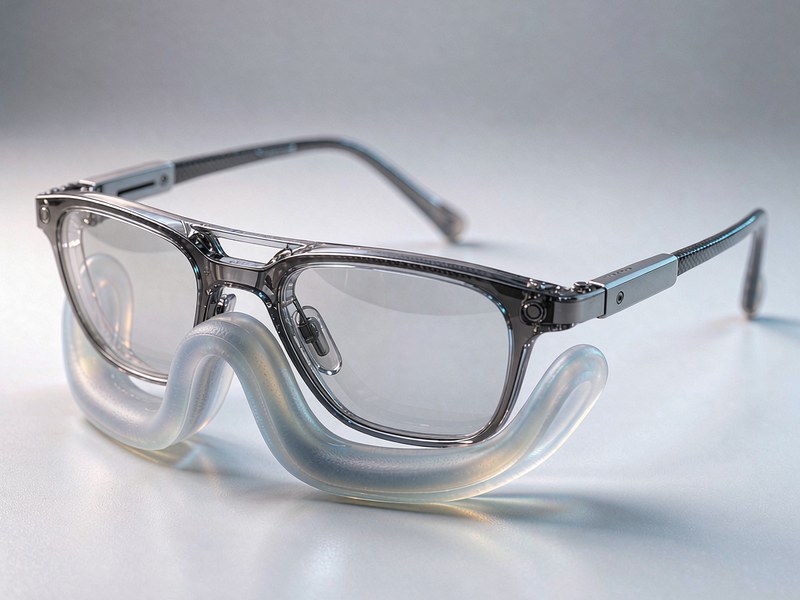
AR smart glasses are on the eve of consumer-scale volume, while bone conduction and open-ear headphones keep taking share from conventional in-ear designs, and hearing aids and assistive listening devices are getting smarter. What wearable audio devices share is small size, body-worn use, and exposure to sweat and rain, so speaker chambers, bone transducers and sensor modules are driving sharply higher demand for miniature waterproof overmolded parts. LSR precision overmolding can complete sealing, fixing and acoustic tuning together at millimeter scale, and its soft feel improves skin comfort. As products iterate faster, device makers' needs for LSR miniature overmolded parts rise in both sampling and volume.
Miniature Application List
Typical LSR overmolding applications in smart glasses and wearable audio include: chamber seals and tuning dampers for micro speakers, which directly shape bass response; soft coupling pads for bone conduction transducers, which must transfer vibration efficiently to the skull while staying skin-friendly; battery and antenna boots inside the temple, which must seal reliably in a slim, elongated structure; and overmolded layers for touch sensor strips, balancing signal transmission with surface finish. Achieving multi-material bonding at this scale places extreme demands on tooling and process precision. Liquid silicone overmolding is what makes it possible. Zhongshan Henry Precision Technology Co., Ltd. (Henry Precision) has the thin-wall micro-shot overmolding capability these structures demand, supporting acoustic hardware customers from sample validation through volume production of micro structural parts.
Miniaturization Thresholds
The difficulty of miniature overmolding concentrates in three areas. First, the silicone layer is often under 0.3 mm, so shot volume control and cure uniformity decide yield directly. Second, once the insert is miniaturized, locating accuracy becomes critical, and metal parts and FPCs shift easily under high injection pressure. Third, skin-contact parts must pass skin safety testing, so extractables control is strict. LSR precision overmolding has to be paired with high-precision tooling, micro-shot injection systems and vision inspection to hold batch consistency. In addition, wearables have short refresh cycles, so a supplier's rapid tooling and flexible scheduling capability also weigh heavily with device makers.
Working Together: Outlook
For smart glasses and acoustic device makers, the recommendation is to assess overmolding feasibility at the industrial design stage and fold sealing, touch feel and acoustic requirements into a single structural part, reducing BOM complexity. Supplier evaluation should focus on experience with miniature multi-cavity tooling, skin-contact material qualifications and rapid iteration mechanisms. Zhongshan Henry Precision Technology Co., Ltd. (Henry Precision) draws on its precision injection molding and clean production system to support DFM review, production ramp-up and volume delivery of miniature overmolded parts. As wearable acoustics and AR devices keep spreading, miniature LSR overmolding capability will become an increasingly important source of differentiation in the smart hardware supply chain.
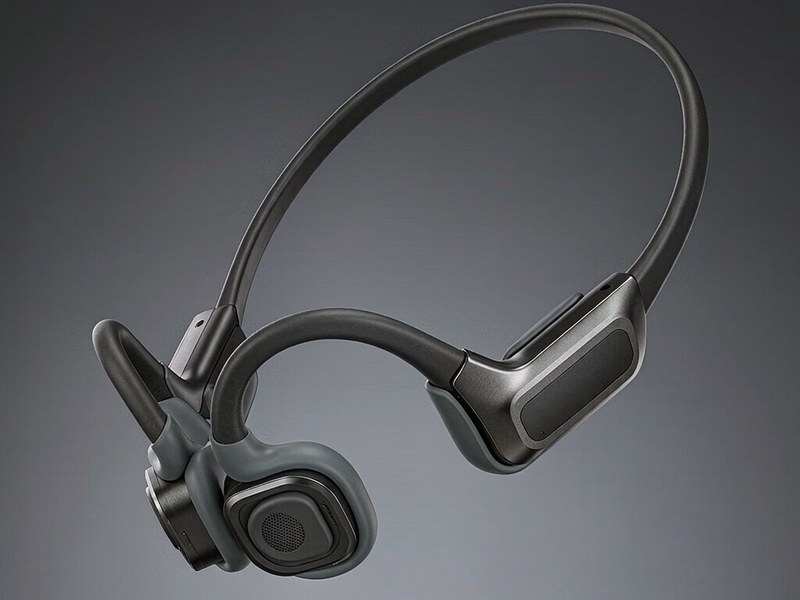
Table of Contents
Related News
-
LSR Precision Overmolding for Communications Equipment: 5G Base Station Sealing and EMC
Industry InsightsLearn More
-

LSR Precision Overmolding: A Full Guide to the Process
Industry InsightsLearn More
-
LSR Precision Overmolding for Optical Lighting: Light-Transmitting Seals and Thermal Protection
Industry InsightsLearn More

Get Your Custom Liquid Silicone Overmolding Solution in 3 Steps
Learn More

