













Which Substrates Can LSR Overmold? Metal and Plastic Compatibility


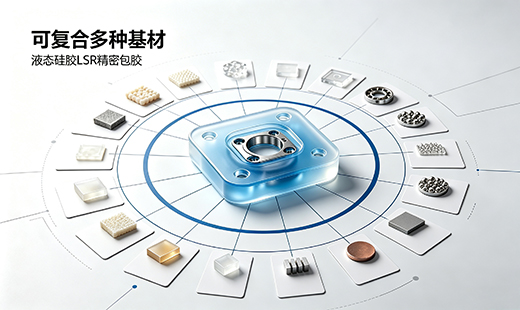
Overview: the range of substrates liquid silicone can overmold is wider than most people expect: from engineering plastics such as PC, ABS, PA and PPS, to metals including stainless steel, aluminium, copper and magnesium alloys, and even glass fibre board, all with production references. The real constraint is not whether it can be done, but what mold temperature the substrate survives and whether the interface forms a reliable bond. Henry Precision validates substrate temperature resistance and bond strength first, then fixes the process route.
Substrate Temperature Resistance Comes First
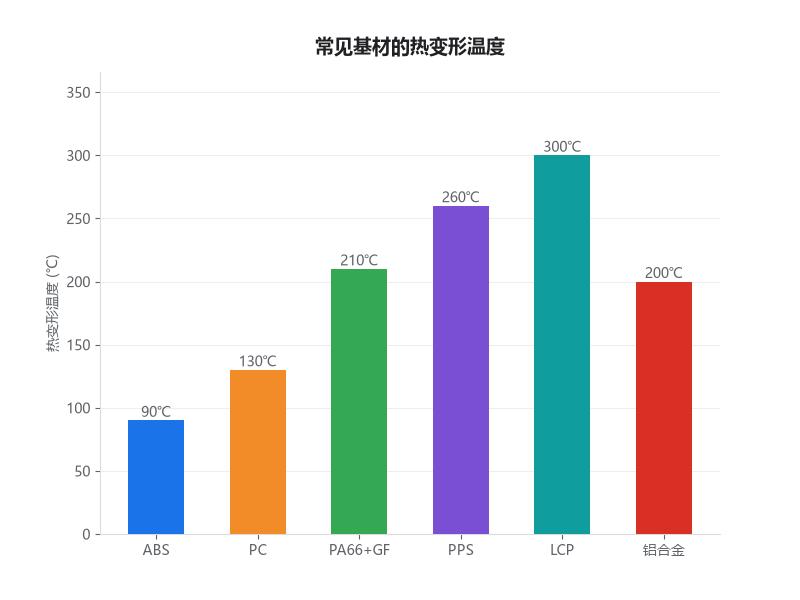
LSR cures at 120-200°C, which means the substrate must not soften, deform or outgas at that temperature. Among common engineering plastics, PC (heat deflection around 130°C) and ABS (around 90°C) are just adequate but carry higher risk; PA6/PA66 with glass fibre reach 200°C or more and are safer; PPS, LCP and PEEK are under no pressure at all.
If the substrate cannot take the heat, there are three options: switch to a low-temperature fast-cure LSR grade (curable as low as 100-120°C), shorten the high-temperature contact time, or add a support fixture behind the substrate to prevent distortion. Which one depends on volume and cost.
Plastic Substrates
PC, PC+ABS and ABS are the most common rigid plastic substrates, widely used for consumer electronics housing overmolding, where mechanical interlock plus self-bonding silicone gives a good bond. PA (nylon) has high water absorption and must be dried before molding, otherwise bubbles form at the interface. PPS and LCP are used where high temperature and chemical resistance are needed; their surface energy is low, so plasma or primer treatment is usually required.
One special caution on glass-filled substrates: exposed glass fibre can pierce the silicone layer and create micro-pores. Seal the substrate surface before overmolding, or choose a lower-viscosity LSR that flows well enough to fully encapsulate the fibre ends.
Metal Substrates
Stainless steel, aluminium alloys, copper and magnesium alloys can all be overmolded with LSR. Bonding metal to silicone relies on three mechanisms: mechanical interlock (holes, grooves or knurling in the metal), chemical bonding (primer or self-bonding LSR), or a combination. On surface treatment, grit blasting, chemical etching and anodizing all increase the bonding area.
We recommend preheating metal inserts to 80-120°C before placing them in the cavity. This reduces fill problems caused by the flow front curing prematurely when it contacts cold metal, and it improves interface bond strength noticeably. Zhongshan Henry Precision Technology Co., Ltd. (Henry Precision) builds insert preheating into metal insert overmolding projects as standard, with in-mold locating pins to stop the insert shifting under injection pressure.
How to Verify Bond Strength
The formal measure is peel strength or tensile shear strength, but in practice a destructive test is more intuitive: peel the overmolded part apart by force and look at where it breaks. If the fracture runs through the silicone layer (cohesive failure), the bond is good; if it runs along the interface (adhesive failure), the bond is insufficient. The ideal result is 100% cohesive failure.
Retesting after aging matters too: after 500 hours at 85°C/85% RH, and after 100 cycles of thermal shock from -40°C to 85°C, bond strength should not fall by more than 30%. Testing only initial strength and not post-aging strength is the most common quality risk in overmolding projects.
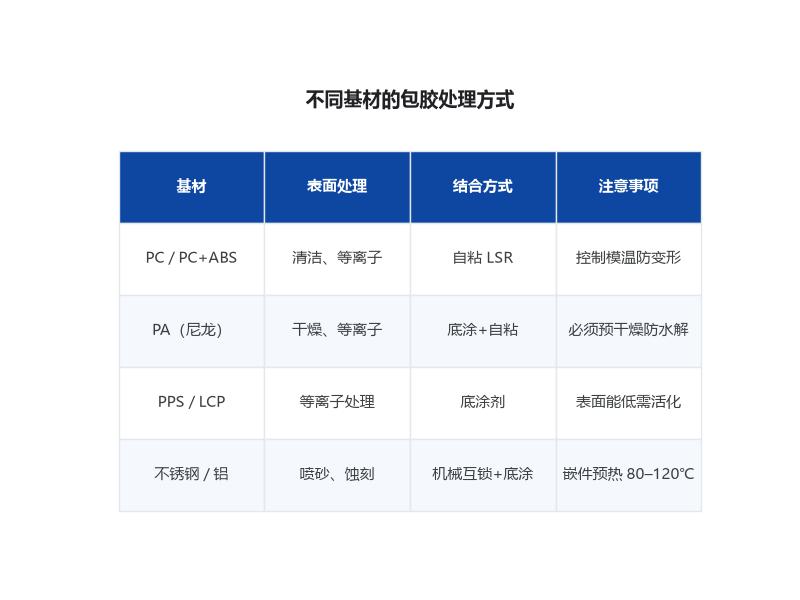
Table of Contents

Get Your Custom Liquid Silicone Overmolding Solution in 3 Steps
Learn More

