













LSR Grades and Shore Hardness: A Selection Guide from Food Contact to Medical


1. The Material Range
The liquid silicone (LSR) range is broad, spanning low-viscosity pouring grades through to high-viscosity molding grades. In precision overmolding the workhorse is two-part platinum-catalyzed injection grade: the A and B components are blended at 1:1 or 10:1, injected into the tool and cured at 120 to 200 degrees Celsius. Every major silicone supplier now offers an injection grade range covering Shore A 10 to 80, with dedicated series for food contact, medical implant, conductive shielding, self-adhesive overmolding and high-clarity optical use. Understanding how grades are categorized, and how they differ in performance, is the starting point for any precision overmolding project.
2. Choosing Shore Hardness
Shore A hardness is the first specification to settle when selecting an LSR, and it governs elasticity, compression set and sealing behaviour. Low hardness, 10 to 30 Shore A, gives a soft, resilient material suited to seals, keypads and nozzles that need to conform closely. Mid range, 40 to 60 Shore A, balances strength with elasticity and is the mainstream choice for O-rings, gaskets and connector seals. High hardness, 70 to 80 Shore A, brings higher mechanical strength and abrasion resistance, and suits structural parts and pressure seals. In overmolding, hardness also has to be matched to the substrate: too soft and the silicone deforms on a metal insert; too hard and stress concentrates at the interface and the bond peels. Henry Precision usually recommends a hardness window based on wall thickness, sealing pressure and service environment.

Figure 1 Measuring Shore A hardness on a liquid silicone sample
3. Food-Grade and Medical-Grade
Food contact and medical are the two most demanding grades of LSR. Food-contact LSR must meet GB 4806.11, FDA 21 CFR 177.2600 or LFGB, which means low peroxide residue and no release of volatile harmful substances — a platinum-catalyzed system is the usual route. Medical-grade LSR has to pass ISO 10993 and USP Class VI biocompatibility testing, and some implantable grades go further, with cytotoxicity, sensitization and long-term implantation safety assessment. Cleanliness requirements are correspondingly strict: medical LSR is normally produced and packed in an ISO Class 7 cleanroom or better. When specifying, companies need to be clear about the type of contact and the regulations of the target market, and should not substitute a food-grade grade into a medical application.

Figure 2 Food-grade and medical-grade liquid silicone parts
4. Functional Grades
Beyond standard grades, the LSR family includes a number of functional series. Optical grades, with light transmission above 92 percent, are used for light guides, lenses and optical sealing. Conductive LSR, filled with silver powder or nickel-coated carbon, serves EMI shielding and static dissipation. Self-adhesive LSR bonds to metal and plastic without a primer. Thermally conductive LSR, at 1 to 3 watts per metre-kelvin, handles heat spreading for power devices. Flame-retardant LSR meets UL94 V-0 for electrical safety sealing. Fluorosilicone LSR goes far beyond standard silicone in oil and solvent resistance. Every functional grade is a trade-off between added performance and added cost, and Henry Precision recommends agreeing the material specification with the supplier at the start of the project.

Figure 3 Functional LSR range: conductive, optical, thermally conductive and flame retardant
5. Henry Precision
Zhongshan Henry Precision Technology Co., Ltd. has built extensive material application experience in liquid silicone precision overmolding. Henry Precision has long-term working relationships with the major global silicone suppliers, and can recommend the best LSR grade and hardness combination against a customer's functional requirements, regulatory needs and cost budget, supporting the whole path from material validation and prototyping through to production launch — treating precision as its foundation, and making sure material selection matches part performance.
Table of Contents
Related News
-
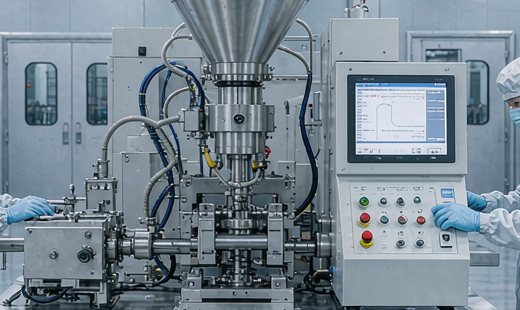
Cleanroom Processing for LSR Precision Overmolding: Environmental Control and Contamination Prevention
Technical ArticlesLearn More
-
Defects in LSR Precision Overmolding: Bubbles, Flash, Sink Marks and Short Shots
Technical ArticlesLearn More
-
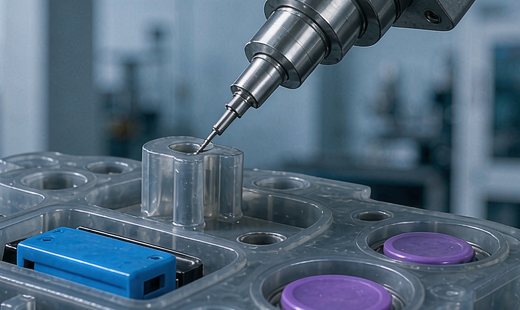
Dimensional Tolerance in LSR Precision Overmolding: How Micron-Level Accuracy Is Achieved
Technical ArticlesLearn More

Get Your Custom Liquid Silicone Overmolding Solution in 3 Steps
Learn More

