













The Localization Wave: How to Evaluate a Medical LSR Overmolding Supply Partner


Localization continues to advance across China's medical device industry. High-end medical liquid silicone overmolded components used to depend on overseas suppliers; now a group of specialized domestic companies is achieving technical breakthroughs. But the gap between factories is huge — many excel at general consumer silicone products without having the capability to deliver a complete medical program.
As a leader in medical liquid silicone precision overmolding, Zhongshan Henry Precision Technology supports new product development at several domestic device companies, and has distilled five evaluation dimensions for choosing an LSR overmolding partner — to help device makers find suppliers with genuine medical-grade volume capability during the localization shift.
Where the Industry Stands
Liquid silicone overmolding is a cross-material composite process, spanning tooling, surface treatment, injection molding, medical compliance and reliability validation. A consumer electronics factory can produce a beautiful sample, but medical products impose completely different requirements on batch consistency, traceability, sterilization durability and documentation.
Some trading intermediaries take the order and then subcontract through several layers to small workshops, which readily produces mismatches between the qualification and the factory actually producing the parts, breaks in record traceability, and inadequate cleanliness control. Localization does not mean low price — what matters is the factory's complete medical program delivery capability.
Verifying Qualifications On Site
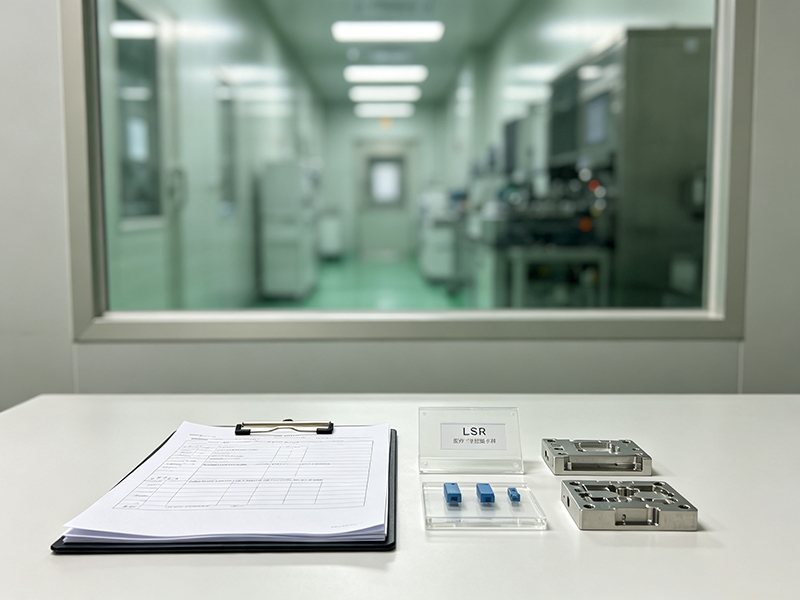
ISO 13485 and Class I medical device production filing are the basic threshold. Do not simply accept scanned copies — confirm further: whether the production address on the qualification is the factory actually making the parts, whether there is an ISO Class 8 cleanroom, and whether production records and batch traceability documents can be reviewed on site.
Certificates are easy to obtain; running the system on the floor is hard. When assessing a medical program supplier, look beyond paper qualifications to site management, record-keeping habits, operator practice and the clean environment.
Keeping Core Processes In-House
The complete chain for medical overmolding covers: tooling design and build, insert plasma or primer treatment, LSR injection overmolding, post-processing and reliability testing.
If tooling is outsourced, plasma treatment subcontracted and testing sent out, the chain lengthens and quality swings at every subcontractor reach the finished part. Prioritize source manufacturers that keep all core steps in-house. Henry Precision completes tooling development, surface treatment, LSR overmolding and reliability testing entirely within its own facility, reducing the uncontrollable risks that come with subcontracting.
Accumulated Process Data
Medical work makes heavy use of hard-to-bond substrates such as PPSU, PEEK, modified nylon and specialty stainless steel. Whether a supplier has built a database of plasma parameters, primer schemes and self-bonding LSR grades for each substrate directly determines program success.
Without accumulated programs, every new project relies on repeated trial molding and development timelines become unpredictable. Suppliers can be asked to provide overmolded samples on the same substrate and past test reports for reference.
In-House Reliability Lab
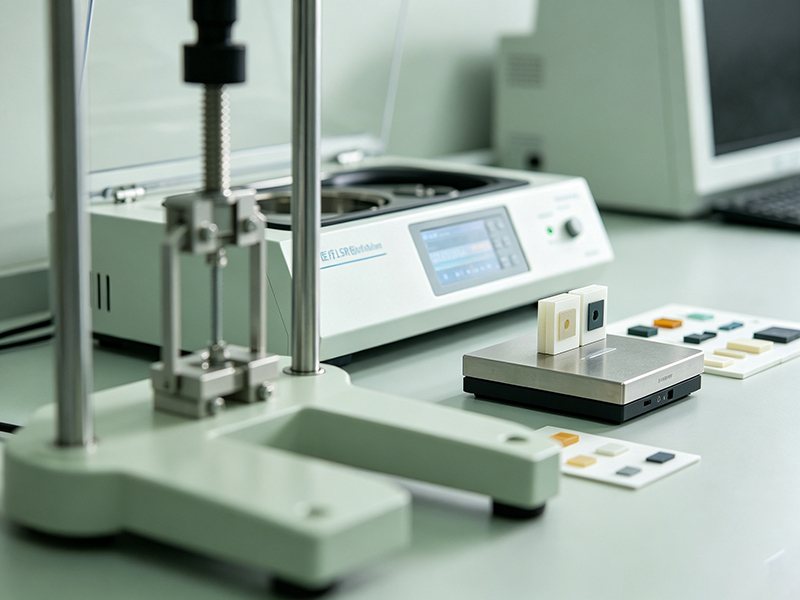
Medical overmolding requires peel strength, thermal cycling, simulated sterilization aging, waterproof sealing and extractables risk assessment. If every test has to go to a third party, development stretches out and routine production sampling inspection becomes hard to sustain.
Having an in-house reliability lab means the factory can locate problems quickly, reproduce defects and trace root causes when nonconformities appear.
Medical Program Track Record
Being able to make samples is not the same as running a million medical parts. In selection discussions, confirm specifically: whether they have volume production programs on the same type of medical device overmolding; annual output scale; and whether they have fully supported medical device registration with complete technical documentation.
Having made consumer silicone products does not mean being able to do medical silicone overmolding. Medical programs weigh stability, traceability, compliance and long-term reliability more heavily.
Avoiding the Low-Price Trap
A low quotation paired with frequent tooling rework, poor yield, program delays and pushed-back registration costs a device company far more than the component price difference. Cost assessment cannot rest on unit price alone — it has to weigh rework risk, delivery cycle, yield, documentation support and registration cooperation.
Local Supply in Practice
Zhongshan Henry Precision Technology Co., Ltd. works deep in the medical liquid silicone precision overmolding space, with an ISO 13485 quality system, an ISO Class 8 cleanroom and all core processes in-house. It has helped multiple domestic medical device companies localize their components, supporting the full path from DFM review, tooling development and sample validation through pilot runs to million-piece volume production.
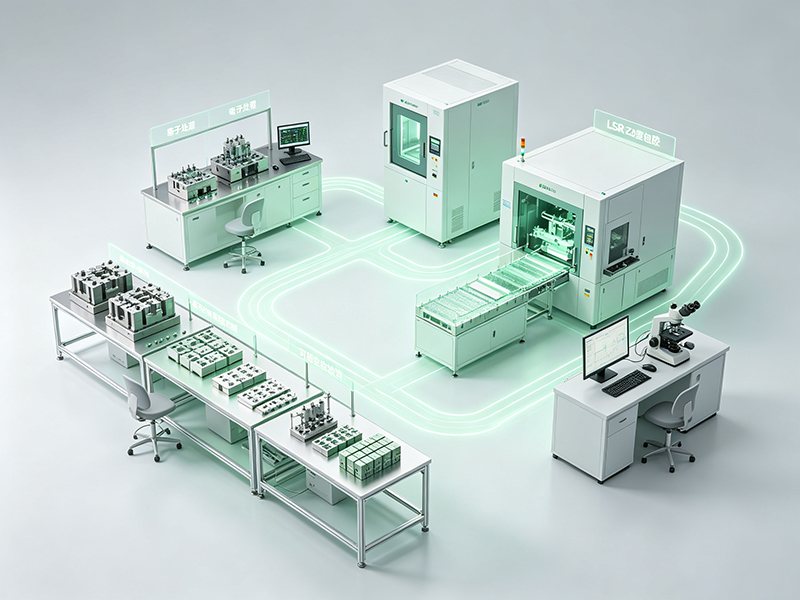
Table of Contents


Get Your Custom Liquid Silicone Overmolding Solution in 3 Steps
Learn More

