













ISO 13485 Is More Than a Certificate: Full-Process Production Control for Medical LSR Overmolding


When the medical device industry selects a liquid silicone overmolding partner, the ISO 13485 quality management system is the basic threshold. But there is a common misunderstanding among R&D and purchasing: that a certified factory automatically delivers components fit for medical use. The certificate shows a system has been established; it is execution on the floor that decides whether an overmolded part is safe and reliable. Zhongshan Henry Precision Technology, a leader in medical liquid silicone precision overmolding, runs an ISO Class 8 cleanroom and a fully operating ISO 13485 system, supporting development and volume production of Class I medical device overmolded components. The control points below cover the full process for medical LSR overmolding.
What a Certificate Does Not Cover
A certificate only shows that the documented system met the standard at audit time. In real volume production, incoming material control, shop-floor cleanliness, operator practice, subcontracted processing and validation testing are all links where a gap in execution will leave the finished part unable to meet medical service conditions. Many supply chains route work through several layers of subcontractors: the factory holds the qualification, but production is outsourced, so cleanliness control and record traceability break — a serious hidden risk for device registration. For medical programs, prioritize source manufacturers that keep every step in-house, with tooling, overmolding and inspection all done internally.
Closed-Loop Material Control
Medical-grade LSR needs more than just ISO 10993 and USP Class VI raw material reports. On medical programs at Henry Precision, every batch of silicone arriving at the warehouse is reinspected alongside the original manufacturer's certificate, with batch number and expiry date recorded.
Overmolding is also a composite assembly, so plastic and metal inserts, plasma treatment agents and silane primers all go onto the material control list. Consumables need the same risk assessment to rule out unknown chemical bleed, and every material is batch-bound to the finished part batch.
Cleanroom Control
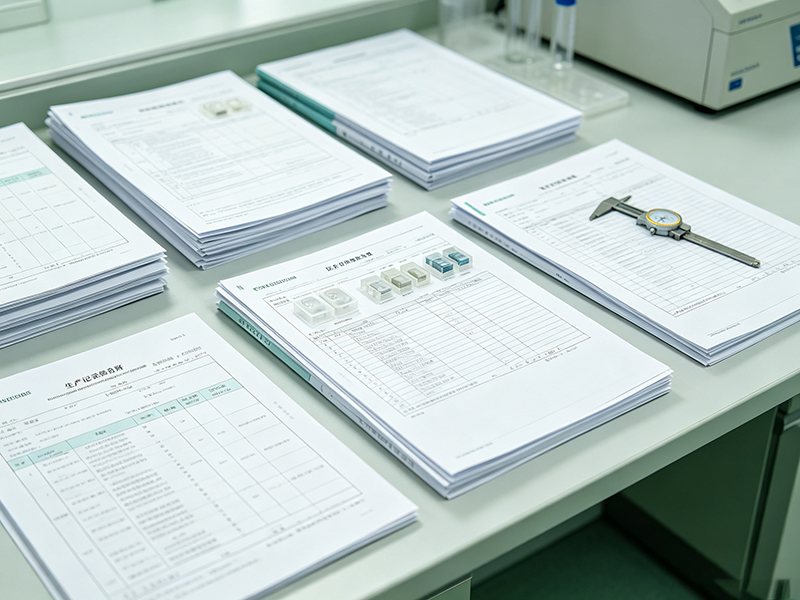
Medical overmolded components that contact the human body must be produced in an ISO Class 8 or cleaner cleanroom. Clean control is not just fit-out: it covers constant temperature and humidity, periodic airborne particle monitoring, gowning discipline, scheduled cleaning and disinfection of fixtures, and separating medical from general industrial production areas to avoid cross-contamination from ordinary silicone. LSR attracts dust readily, and tiny particles cause black spots and seal leaks in medical parts.
Insert Pre-Treatment
A lot of overmolding bond failure traces back to incoming insert condition and surface treatment. On medical programs, PC, PPSU and stainless steel inserts arrive with oil or release residue, and variation in plasma parameters or uneven primer thickness all leave bond strength unstable. Henry Precision has set incoming inspection standards for medical overmolding inserts, monitors surface energy metrics, records all parameters for the plasma and primer steps, and retains samples from every batch — heading off interface bonding problems.
Molding Process Control
LSR is highly sensitive to temperature, injection pressure and cure time. A medical program cannot run on one set of sampling parameters: all process parameters are locked at the production stage, and per-shift equipment data is retained. Any parameter drift triggers an alert, and the process is not changed casually. SPC statistical process control brings key metrics such as dimensions and bond strength into routine inspection.
Batch Traceability
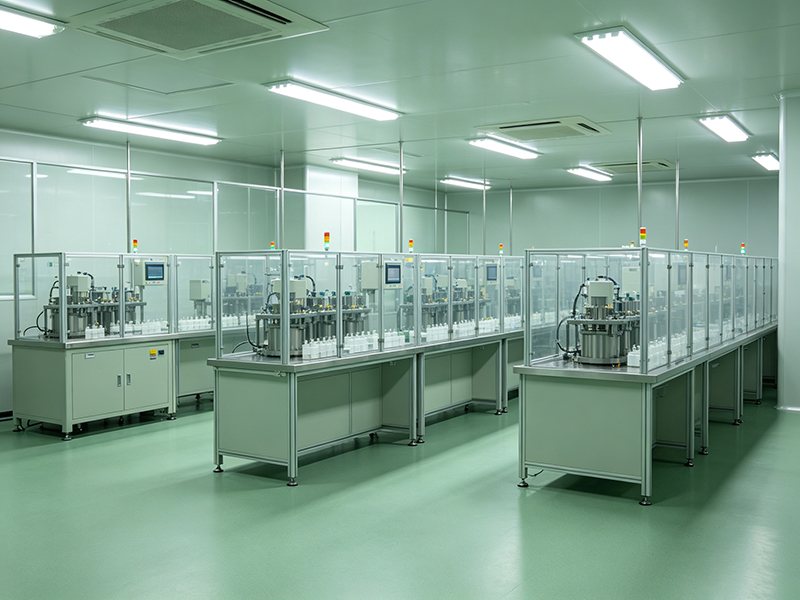
When a nonconformity appears in a medical device, it has to be traceable backwards: finished part batch to production records to equipment parameters to insert batch to silicone raw material lot. Henry Precision keeps a complete chain of records from raw material receipt through finished goods shipment, and can supply the full package to customers for device registration technical documentation. Multi-layer subcontracted supply chains rarely achieve complete traceability — the main thing to avoid on a medical program.
What Practice Has Taught Us
The value of ISO 13485 does not lie in a certificate but in the system genuinely running on the floor. When device manufacturers assess a supplier, they should look beyond qualification documents and examine the actual clean environment, material control and record traceability. Henry Precision keeps tooling development, LSR overmolding and reliability testing all in-house, providing medical device companies with a stable, compliant liquid silicone precision overmolding solution.
Table of Contents


Get Your Custom Liquid Silicone Overmolding Solution in 3 Steps
Learn More

