













Sustainable Paths for Medical LSR Overmolding Under Green Manufacturing


The Industry's Green Transition
The medical device industry is paying more attention to supply chain carbon metrics, and LSR overmolding has historically generated heavy sprue and runner scrap while curing at high, energy-intensive temperatures. New materials and processes are moving medical LSR overmolding toward lower energy use and less waste.
New Materials and Processes
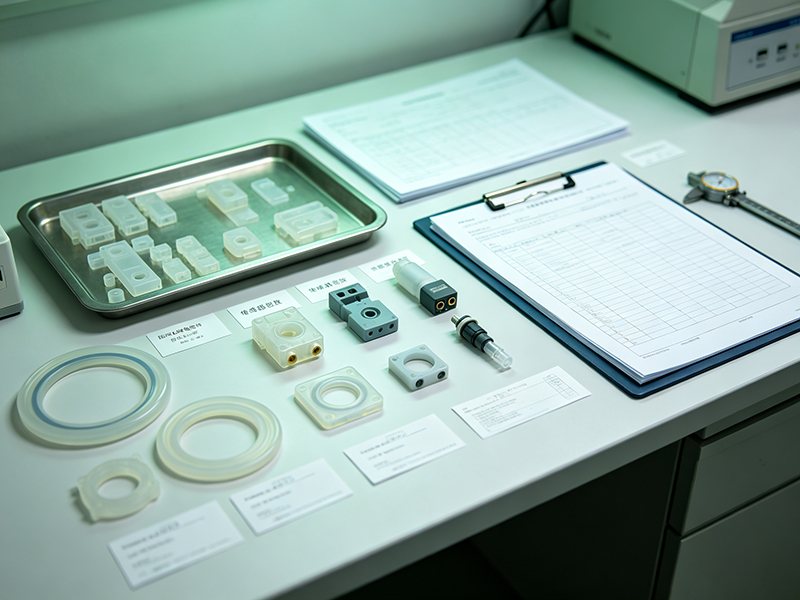
Low-temperature fast-cure LSR brings molding temperatures down to the 100-120 degrees Celsius range, cutting heating energy while also suiting heat-sensitive substrates. Bio-based medical LSR draws part of its raw material from bio-based siloxane, lowering carbon footprint. Cold runner tooling reduces solid sprue and runner scrap, raising material yield.
Real Constraints in Medical Applications
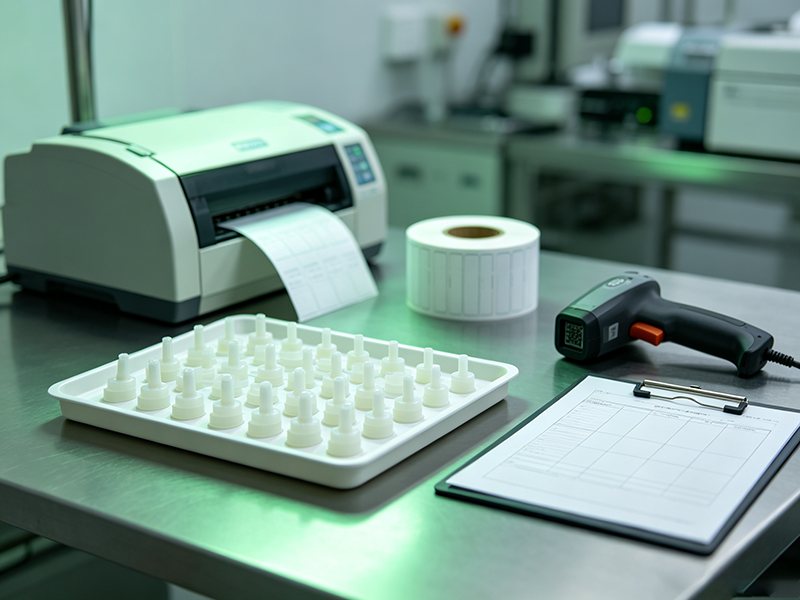
Medical-grade products cannot chase recycled content blindly: parts that contact the human body may not use recycled silicone, and scrap can only be reused in non-contact applications. Bio-based and low-temperature-cure materials must pass the full set of ISO 10993 biocompatibility, sterilization and aging validations before use in medical device components.
Practical Steps on the Factory Floor
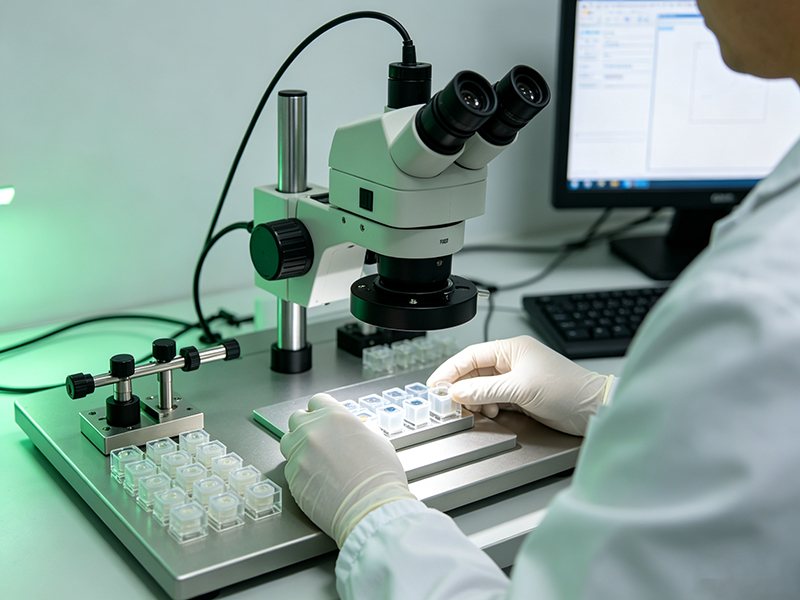
Improve equipment energy efficiency on clean lines and recover mold waste heat; optimize product design to cut unnecessary runner volume; set up scrap sorting that separates medical-contact scrap from general industrial scrap; and prioritize low-carbon material grades to achieve sustainable manufacturing upgrades while staying compliant.
Table of Contents

Get Your Custom Liquid Silicone Overmolding Solution in 3 Steps
Learn More

