













What Self-Bonding LSR Brings to Medical Overmolding


Where Materials Are Heading
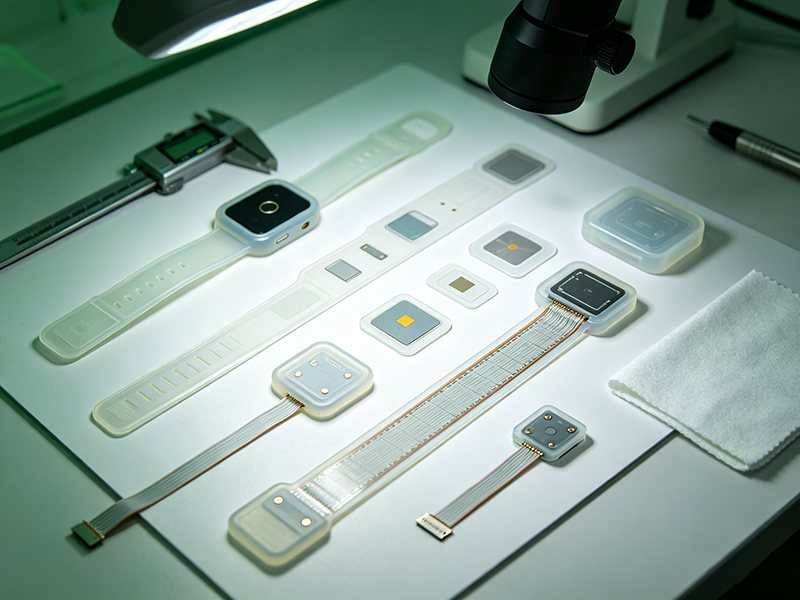
Conventional LSR overmolding mostly relies on primers to bond silicone to the substrate, and primer spraying plus drying adds steps along with contamination risk. Self-bonding medical-grade LSR formulations build adhesion promoters into the compound, forming chemical bonds with the substrate during curing — a significant new material direction for medical precision overmolding.
Advantages of Self-Bonding LSR
It removes primer application and drying, shortening cycle time; avoids the batch debonding risk that comes from uneven primer coverage or contamination; reduces chemical use, which helps cleanroom control; and bonds reliably to PC, ABS and similar substrates, simplifying supply chain management.
Limitations
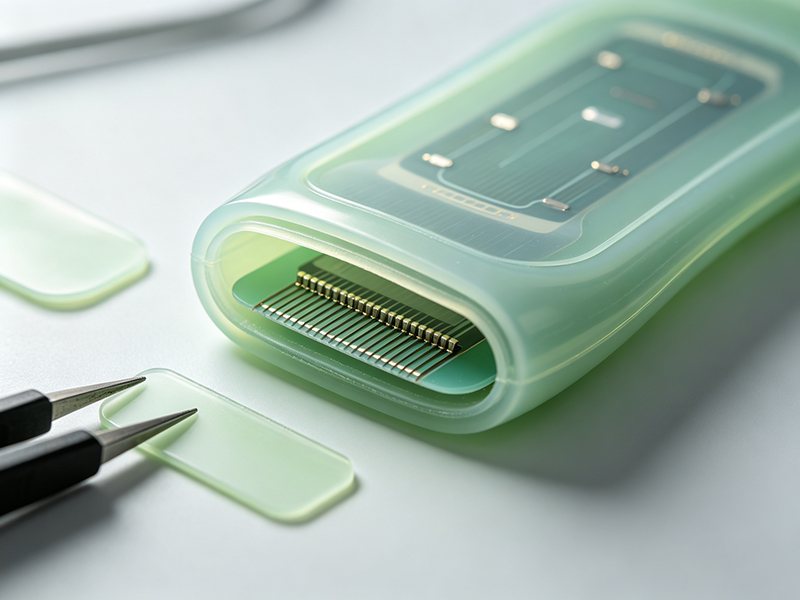
Self-bonding LSR is not universal. Bonding to very low surface energy substrates such as PEEK and PTFE remains limited; grades must still be matched carefully to each substrate; peak bond strength is somewhat better than standard LSR but below the best primed solutions; and raw material cost is higher, so a cost trade-off is required.
Selection and Validation Advice
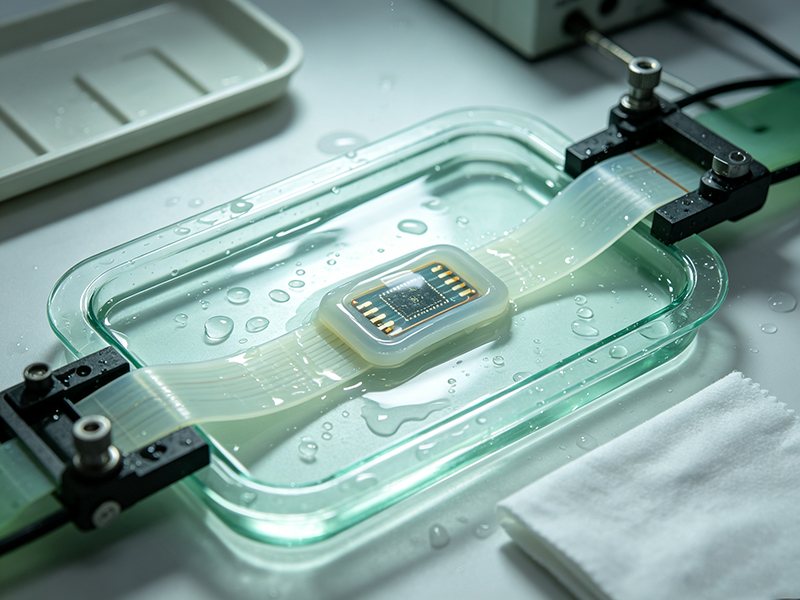
Confirm the material carries a complete medical report, ISO 10993. Even where primerless bonding is claimed, still run bond reliability testing after thermal cycling and disinfectant aging. Keep mechanical interlocks in the design as a safety margin — never rely on chemical adhesion alone for a medical product.
Table of Contents


Get Your Custom Liquid Silicone Overmolding Solution in 3 Steps
Learn More

