













Medical LSR Overmolding Programs: What Matters From DFM to Volume Production


Where Programs Stand Today
Many medical product developments go straight to finished drawings without a LSR overmolding DFM review. Problems only surface after tooling is cut — geometry that blocks sealing, venting or bonding — which forces repeated mold rework, stretches the program and adds cost.
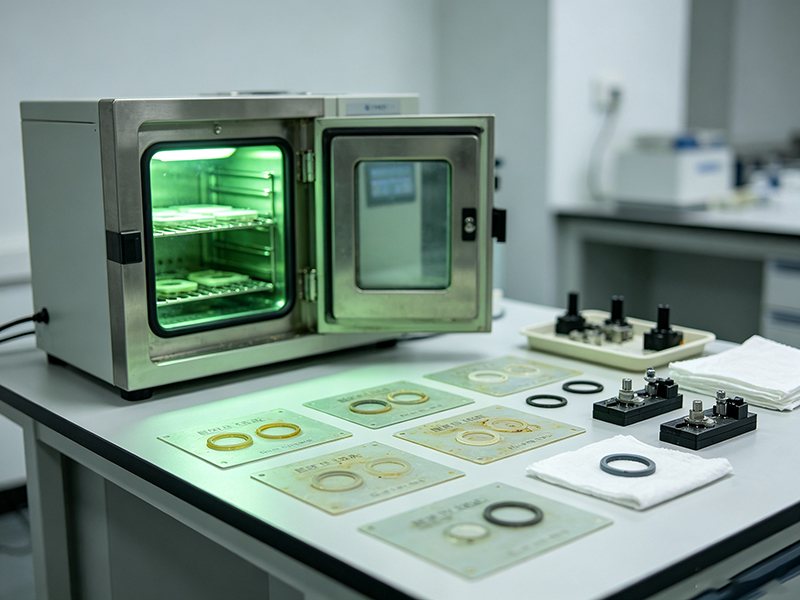
DFM Review Stage
The silicone manufacturer should join the review early: Is the overmold wall thickness reasonable? Does the bond area include a mechanical interlock? Are the shut-off and gate positions workable? How will the insert be located and tolerances matched? Are substrate and silicone compatible? What do cleanroom and sterilization requirements mean for the structure? Identify risks up front.
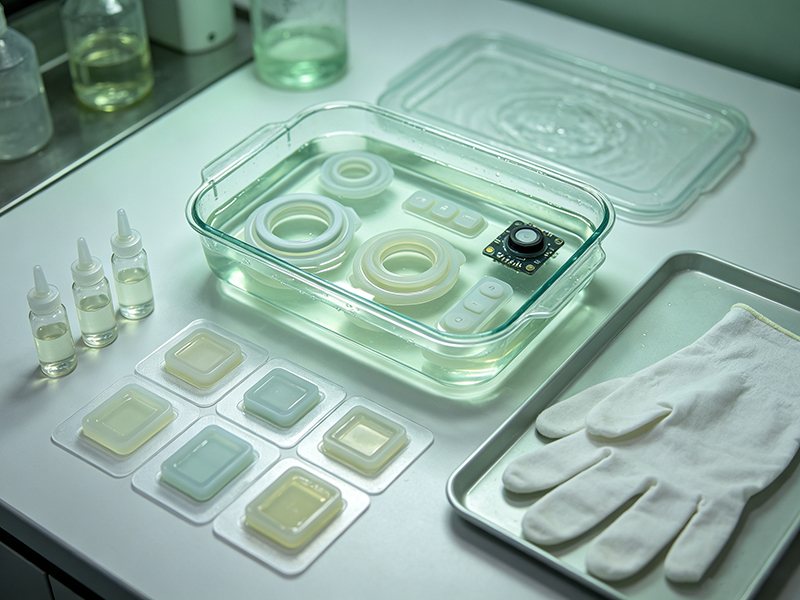
Sampling, Validation and Pilot Stage
Prototype parts serve appearance review only and do not represent production performance. After mold trials, run the full reliability set: thermal cycling, disinfectant immersion, peel and push-out force, sterilization simulation. In the pilot stage, replicate production equipment and cleanroom conditions to confirm yield, process window and traceability.
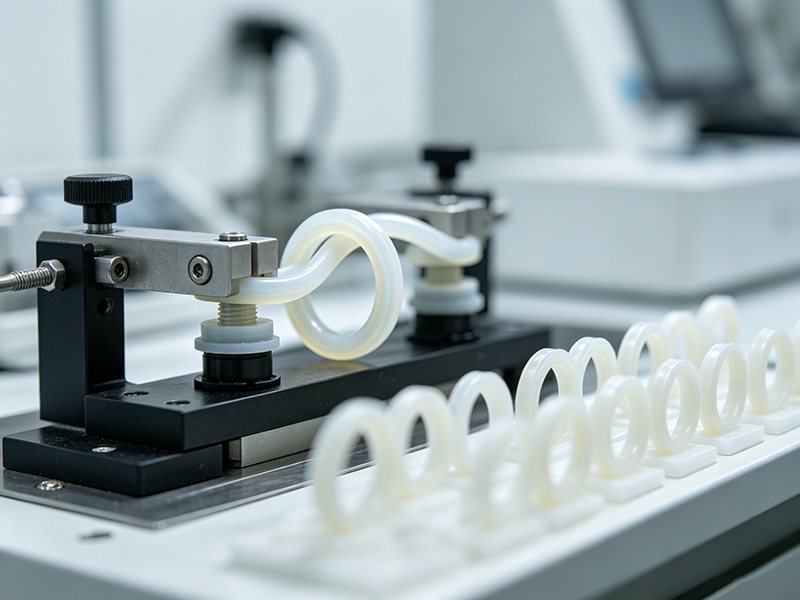
Moving Into Volume Production
After the pilot run, freeze the complete process documentation: material grade, primer type, cleaning procedure, molding parameters and inspection criteria. Set up change control so that any change to material, tooling or process triggers fresh reliability confirmation, preventing quality drift in the medical device.
Table of Contents


Get Your Custom Liquid Silicone Overmolding Solution in 3 Steps
Learn More

