













Why Do Air Bubbles Appear in LSR Overmolded Parts, and How Do You Prevent Them?


Bubbles in LSR overmolded parts come almost entirely from four causes: air trapped in the cavity, air entrained in the material, insufficient tool venting, or incorrect cure parameters. With vacuum venting, tool optimization and process adjustment, the problem can be held to a very low rate.
Main Causes
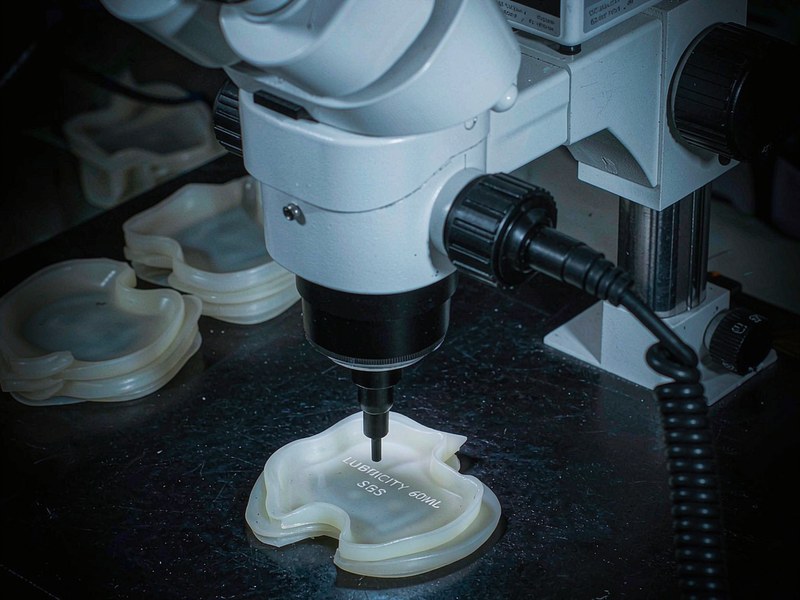
The first common cause is air trapped in the cavity. Liquid silicone rubber is injected quickly, and if the air cannot escape through the parting line in time, bubbles form in dead corners of the cavity or in the area covering the substrate. The second is air in the material itself: mixing, poor sealing in the feed lines, or suck-back at the drum can all pull air into the compound. The third is inadequate venting in the tool — deep cavities, thin ribs and thin-wall overmolded areas trap air most easily. Finally, excessive cure temperature or injection speed also leaves the air no time to escape. Uneven tool temperature and localized premature curing have the same effect, leaving gas marks on the surface or pinholes inside.
Prevention
On the tooling side, a vacuum venting structure is the first recommendation: evacuating the cavity to negative pressure after clamping and before injection is the most effective way to deal with trapped air. Vent grooves and overflow grooves should also be laid out sensibly, with ejector pin venting added in deep cavity areas. On the process side, control material settling degassing and the injection speed profile, and avoid high-speed injection. Henry Precision's tooling engineering team builds venting analysis and vacuum design into precision LSR overmolding tooling as standard, reducing bubble risk at the source.
Corrective Action
If bubbles show up at the sampling stage, use cross-section analysis to locate them first. Concentrated at the substrate interface: check primer and mold temperature. Inside the silicone layer: look at material entrainment and injection speed. At a wall thickness transition: optimize gate and runner design. On the floor, you can also verify by reducing injection speed, raising mold temperature or extending cure time. Zhongshan Henry Precision Technology Co., Ltd. (Henry Precision) completes DOE trials before volume production and holds the bubble defect rate steadily below 1%.
Inspection
In production we combine vision inspection with full or sampled inspection, checking transparent and sealing parts batch by batch for bubbles to ensure appearance and air tightness pass. If you have questions about samples received, send them back for analysis and we will issue a root cause and improvement report.
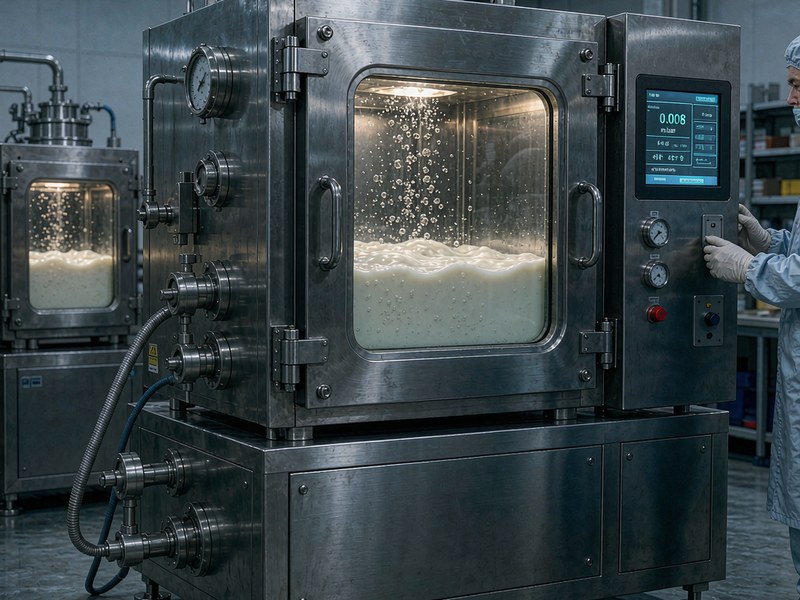
Table of Contents

Get Your Custom Liquid Silicone Overmolding Solution in 3 Steps
Learn More

